
Strong foundations.
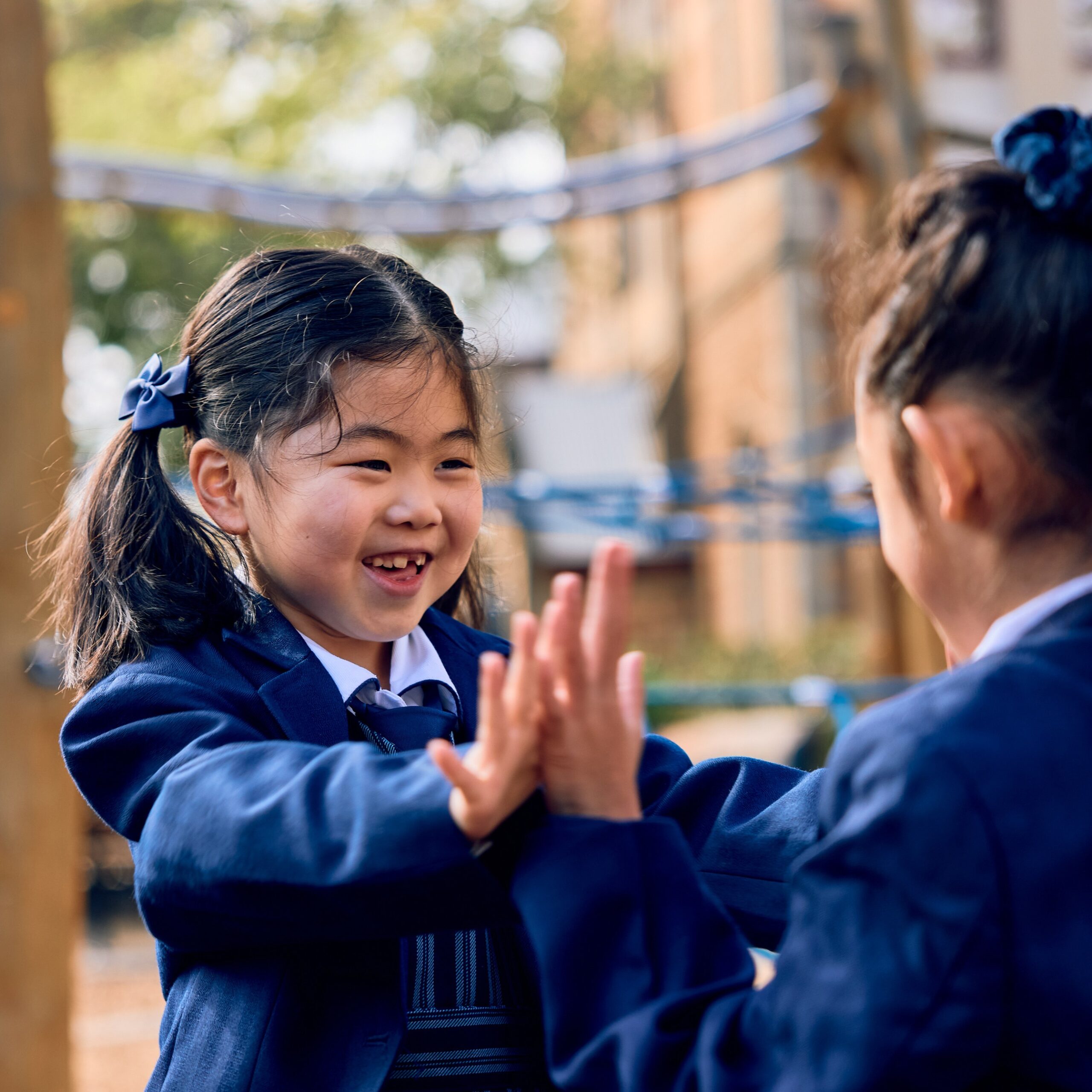
The early years of school shape much more than what a child learns. They shape how she sees herself as a learner, how she connects with others and how confidently she approaches the world.
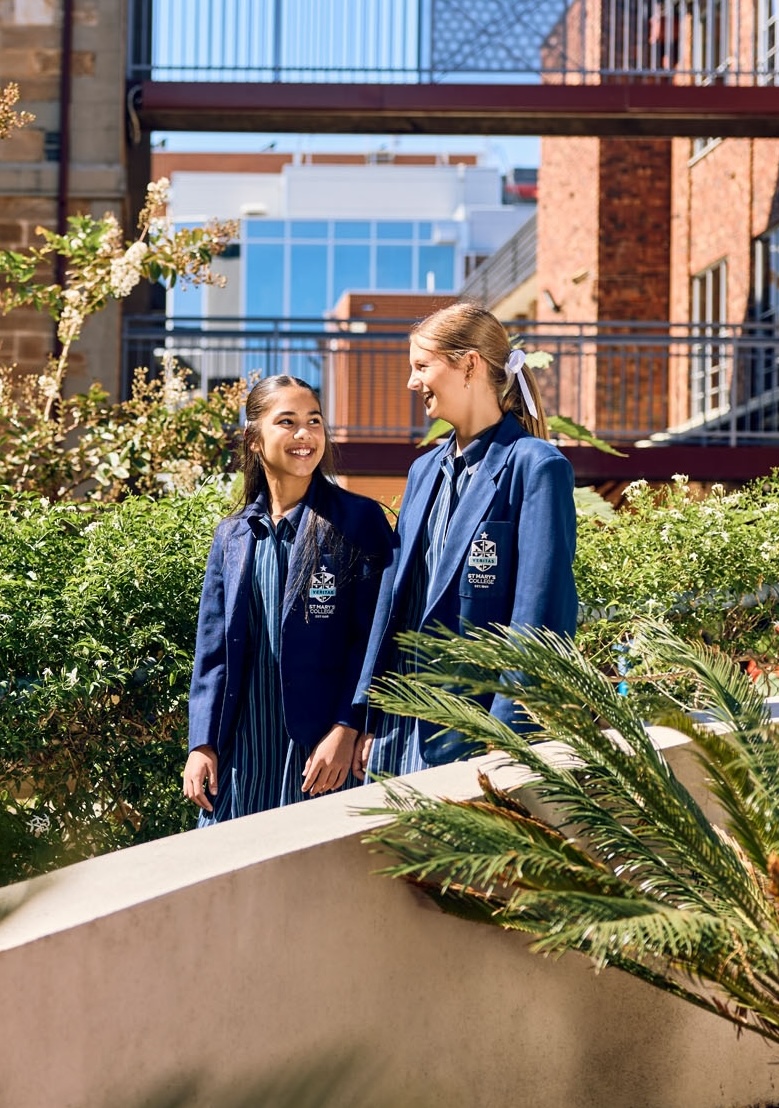
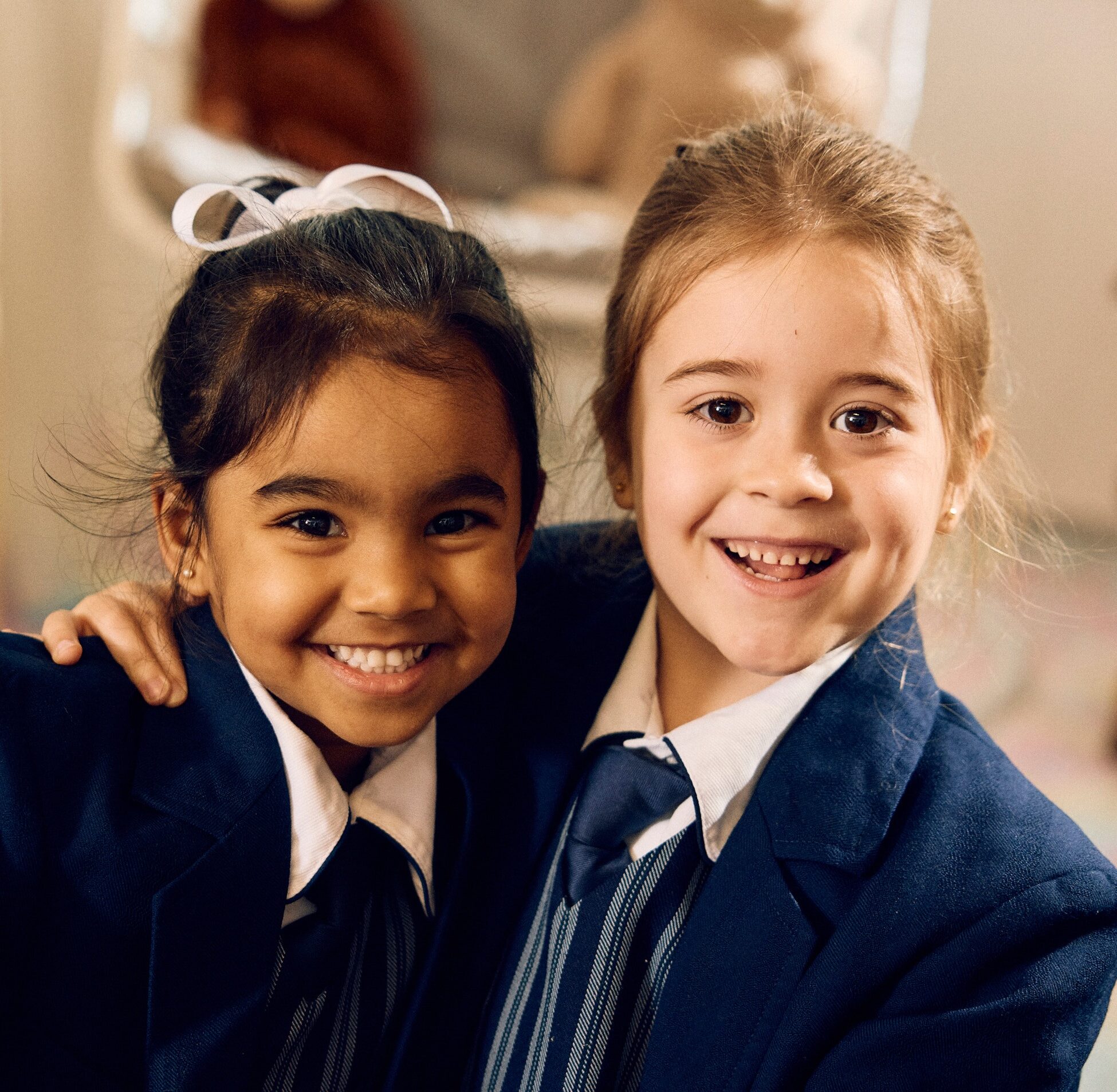
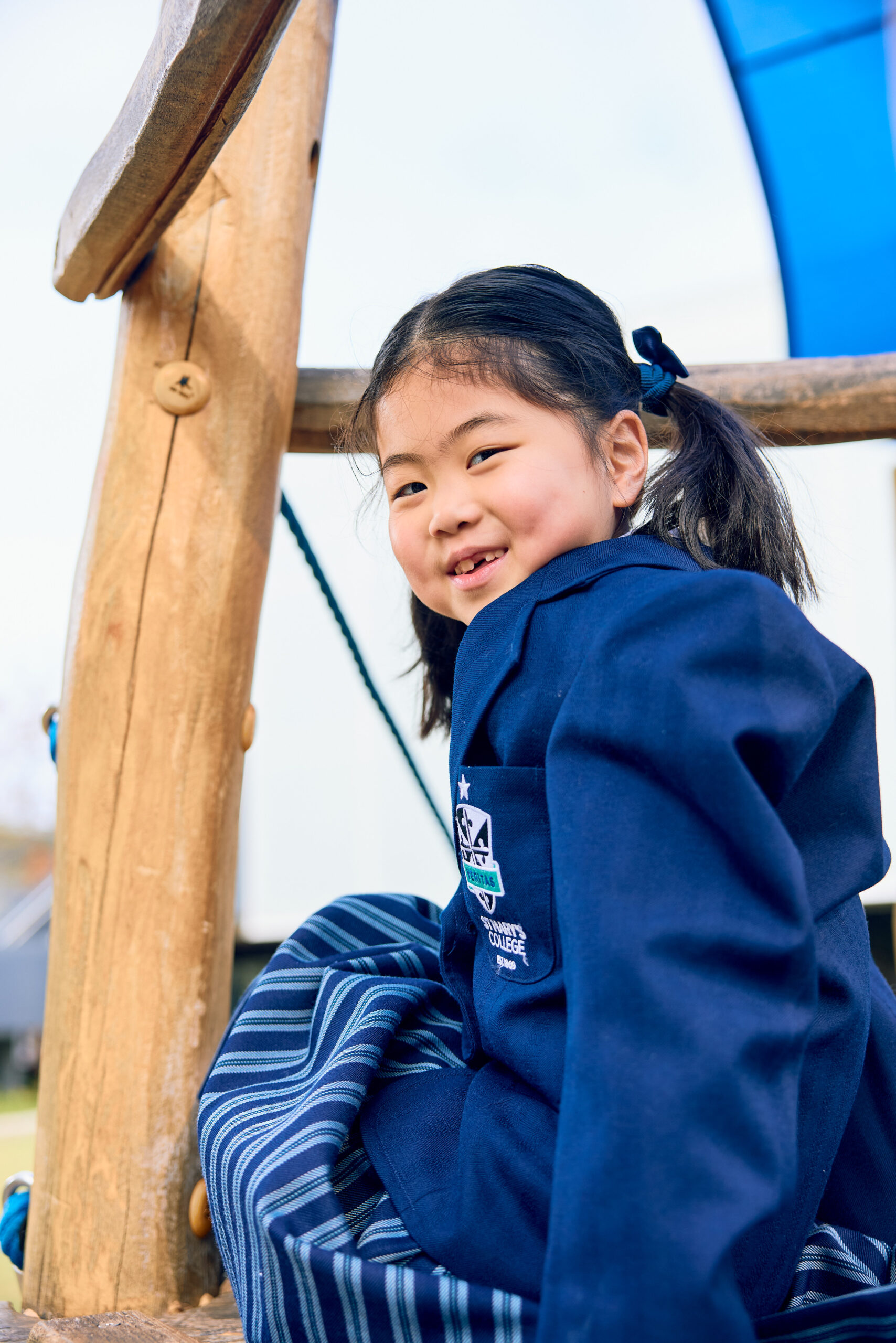
At St Mary’s College, every girl is known and valued. Our Junior School provides a nurturing environment where strong relationships and purposeful learning encourage students to ask questions and try new things.
Learning is shaped around each stage of a girl’s development. From building foundational skills in the early years to developing learner agency and leadership in the upper primary years, students are supported to grow and take increasing ownership of their learning.
The Junior School
at St Mary’s.
Vision
Junior School learners are curious, confident and connected. They know they …
Purpose
The early years of learning are foundational. At St Mary’s Junior School, we …
Commitment
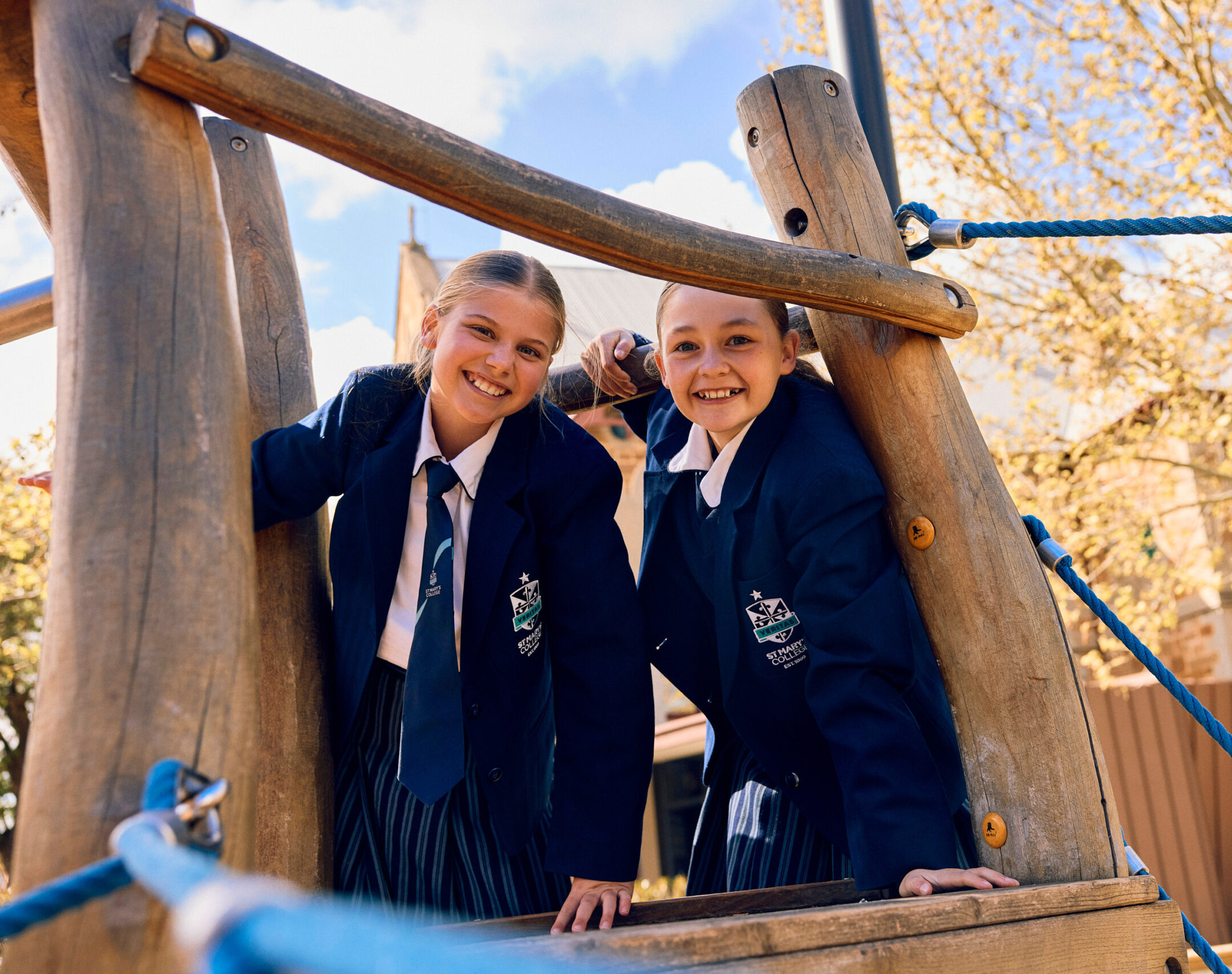
In Junior School, we are committed to inspiring curiosity, creativity and a love …
Vision
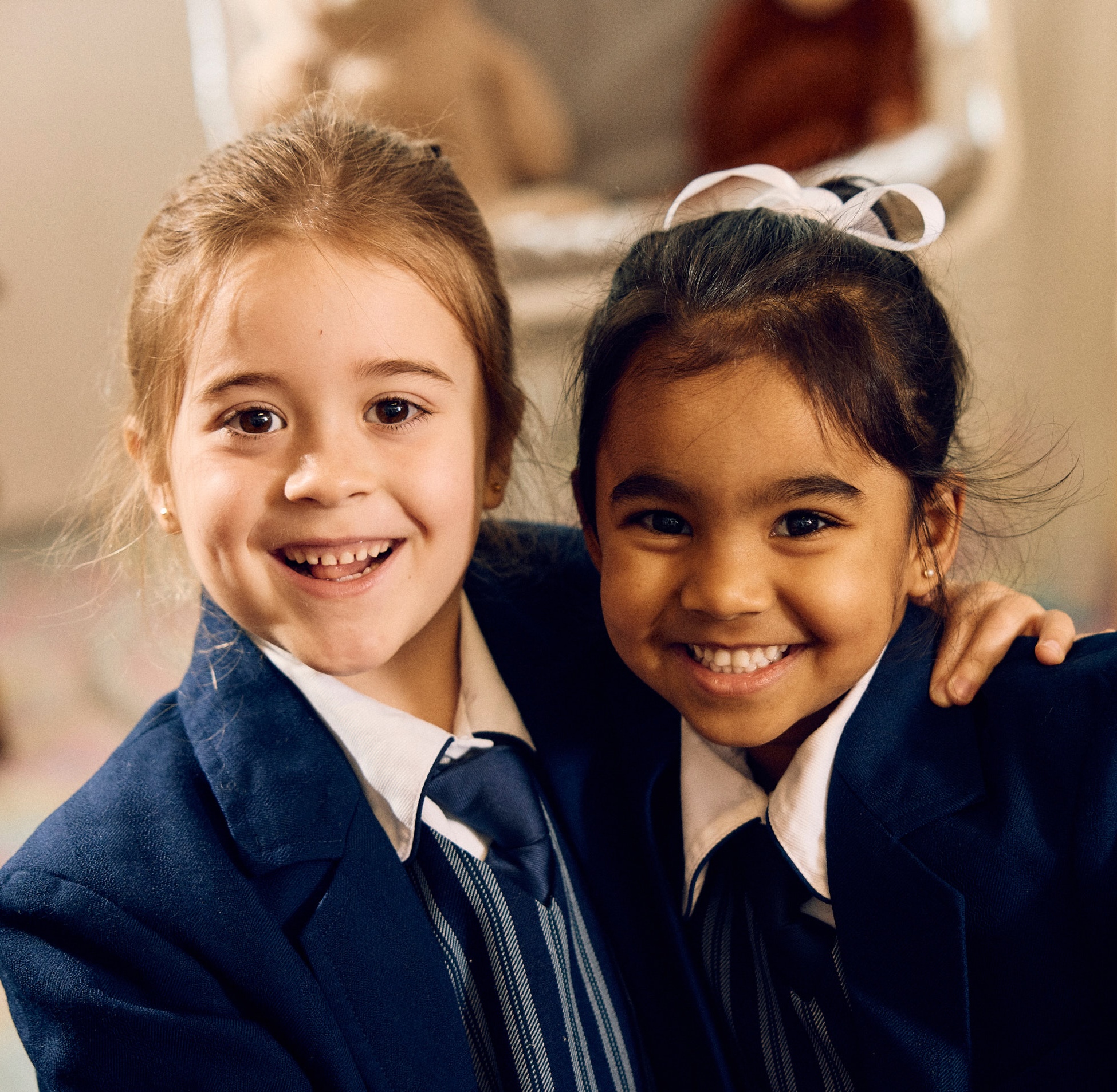
Junior School learners are curious, confident and connected. They know they belong, have confidence in their voice and are excited by the possibilities of learning. They wonder, explore, question and discover their strengths, developing the independence and courage to embrace new challenges.
Known and valued for who they are and inspired by the role models around them, they develop the knowledge, skills and sense of self that provide strong foundations for who they are and who they are becoming.
Purpose
The early years of learning are foundational. At St Mary’s Junior School, we approach this time with care, intention and a deep understanding of each child. From Reception to Year 6, students are welcomed into a nurturing and inclusive environment where curiosity is encouraged, individuality is celebrated, and strong foundations in literacy and numeracy are intentionally developed. Within our vibrant all-girls setting, students build the knowledge, skills and confidence to read, write, communicate, reason and think, establishing the foundations for future learning. They begin their St Mary’s journey as confident, capable learners with a strong sense of belonging.
Commitment
In Junior School, we are committed to
- Inspiring curiosity, creativity and a love of learning.
- Creating a community where every child feels welcomed, safe, known and connected.
- Building strong foundations in literacy, numeracy and critical thinking.
- Developing confidence, independence and learner agency.
- Nurturing wellbeing, resilience and positive relationships.
- Providing opportunities for leadership, service and contribution.
- Fostering faith, compassion and a commitment to making a difference.
- Preparing students with the skills, knowledge and dispositions needed for future success.
Our Approach to Learning.
Our approach to learning is grounded in strong foundations, purposeful teaching and opportunities for every girl to grow as a learner.
Faith and Spirituality
Our Catholic and Dominican tradition is woven through Junior School life with all students studying Religious Education. Students explore faith, justice and service in age-appropriate ways, guided by our values of Community, Justice and Growth. These foundations shape how students learn and understand their place in the world.
Strong Foundations in Literacy and Numeracy
Evidence-informed teaching practices are embedded in daily classroom learning, ensuring students develop the essential skills they need for future success. Reading development begins with strong oral language foundations and decodable readers in the early years.
Numeracy is purposeful and connected to real-world experiences. Through explicit teaching, hands-on investigations, problem-solving and regular practice, students develop fluency, number sense and confidence in applying mathematical thinking.
How We Teach Reading
Our literacy approach is informed by the Science of Reading, supporting students to develop strong reading, writing and language comprehension skills. From Reception to Year 2, the InitiaLit Program builds foundations in phonics, vocabulary and early reading. From Years 3 to 6, students continue this development through the Playberry Program.
Multi-Tiered Systems of Support
Our Multi-Tiered Systems of Support model provides different levels of support according to each student’s needs. Quality classroom teaching forms the foundation, with targeted small-group programs and more intensive, personalised intervention available when required.
Our Inclusion Team supports students through programs including Oral Language, MiniLit and MacqLit, helping each learner access the support she needs to make progress.
Children’s University
As a Children’s University School, we encourage students to pursue their interests and discover new passions beyond the classroom. In partnership with the Adelaide University and Children’s University, students can record participation in approved learning experiences through a Passport to Learning. Activities such as aerobics, bands, choirs and instrumental lessons contribute towards their passport, celebrating each girl’s curiosity and love of learning.
Specialist Learning Programs
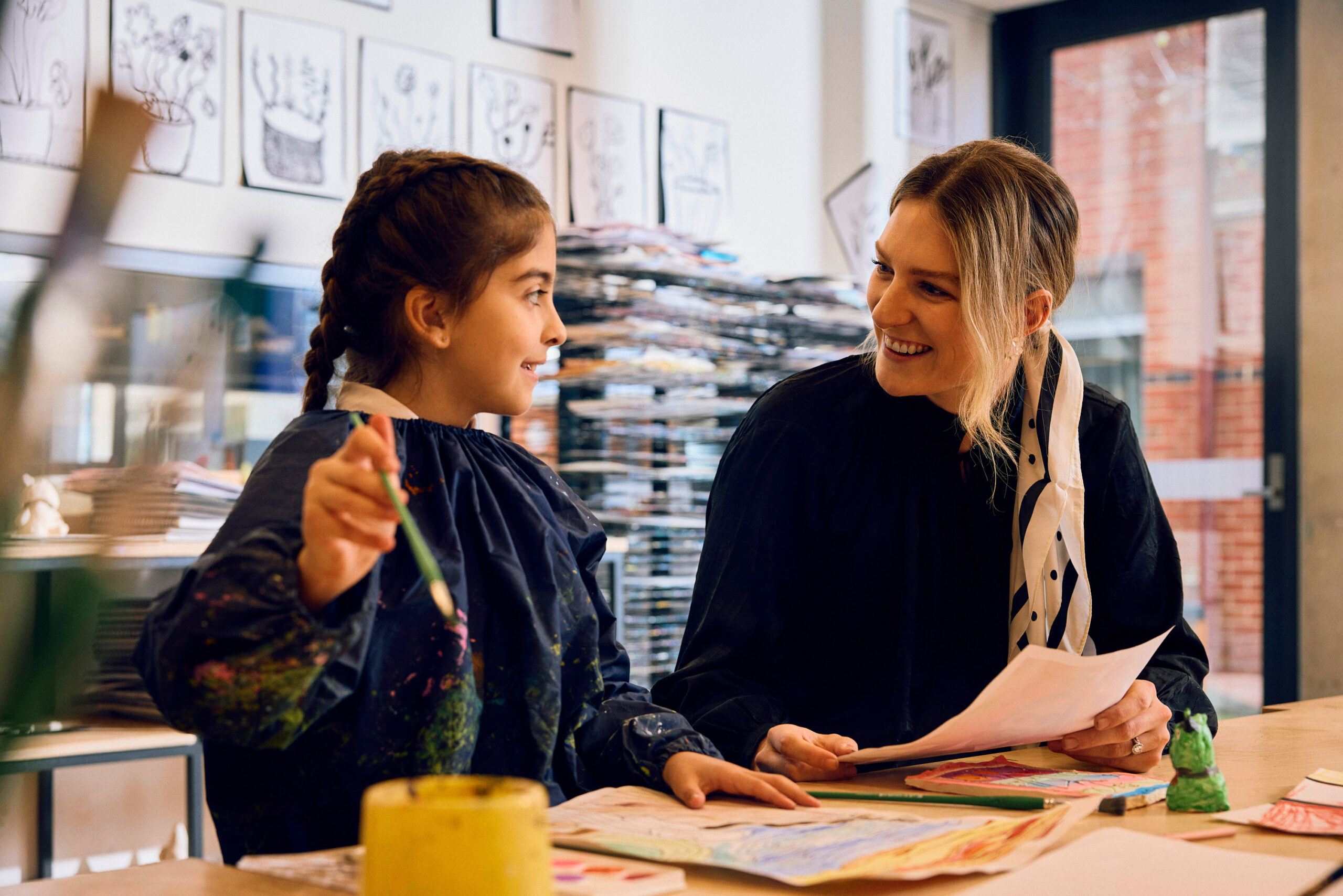
Junior School students regularly learn with specialist teachers and make use of facilities across the wider College. Italian is taught in dedicated learning spaces, STEM learning takes place in the STEM Centre, and Dance and Drama are taught in the Centre of Performing Arts (CPA). Music is taught in the dedicated Junior School Music Room, while students also participate in Visual Arts, Health and PE, with sport taking place in the College Gym and outdoor spaces. Early familiarity with specialist teachers, facilities and learning environments helps students build confidence and creates a strong sense of continuity as they progress into Middle and Senior School.
Experiential Learning
As a city school, St Mary’s makes the most of the educational and cultural opportunities on our doorstep. Students participate in excursions to places such as galleries, museums and Fringe events, connecting classroom learning with the wider community. From Year 3, regional and interstate camps provide further opportunities for students to build independence and experience new learning environments beyond the classroom.
Junior School
Learner Journey.
Reception
I am connected. We are community.
Learning and Teaching
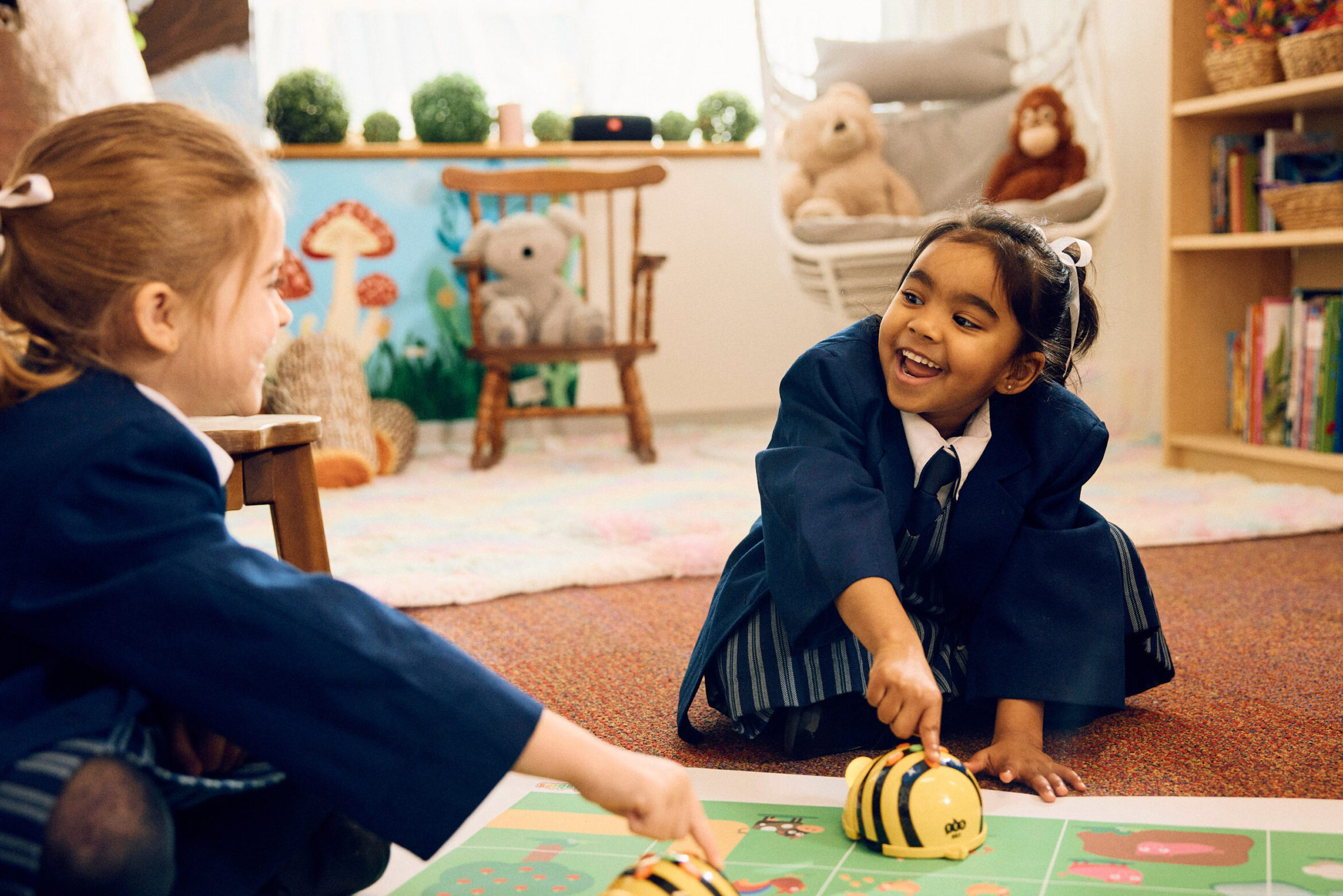
Reception is a time of discovery, where students begin to see themselves as learners and build the foundational literacy and numeracy skills. Learning combines evidence-informed teaching with play-based learning in the Junior Years Imaginative Space, where inquiry topics are brought to life.
Key Milestones
Before starting school, students participate in a carefully designed Reception Transition Program that helps them become familiar with their new environment. A Welcome Liturgy in the Chapel marks the beginning of their St Mary’s journey. Students begin the InitiaLit Program, build social skills, and join a College House.
Beyond the Classroom
Learning extends beyond the classroom through incursions and excursions linked to inquiry learning. The Gross Motor Skills Program supports confidence and physical development. The year concludes with the much-loved Mud Day celebration.
Year 1
I am discovering. We are curious.
Learning and Teaching
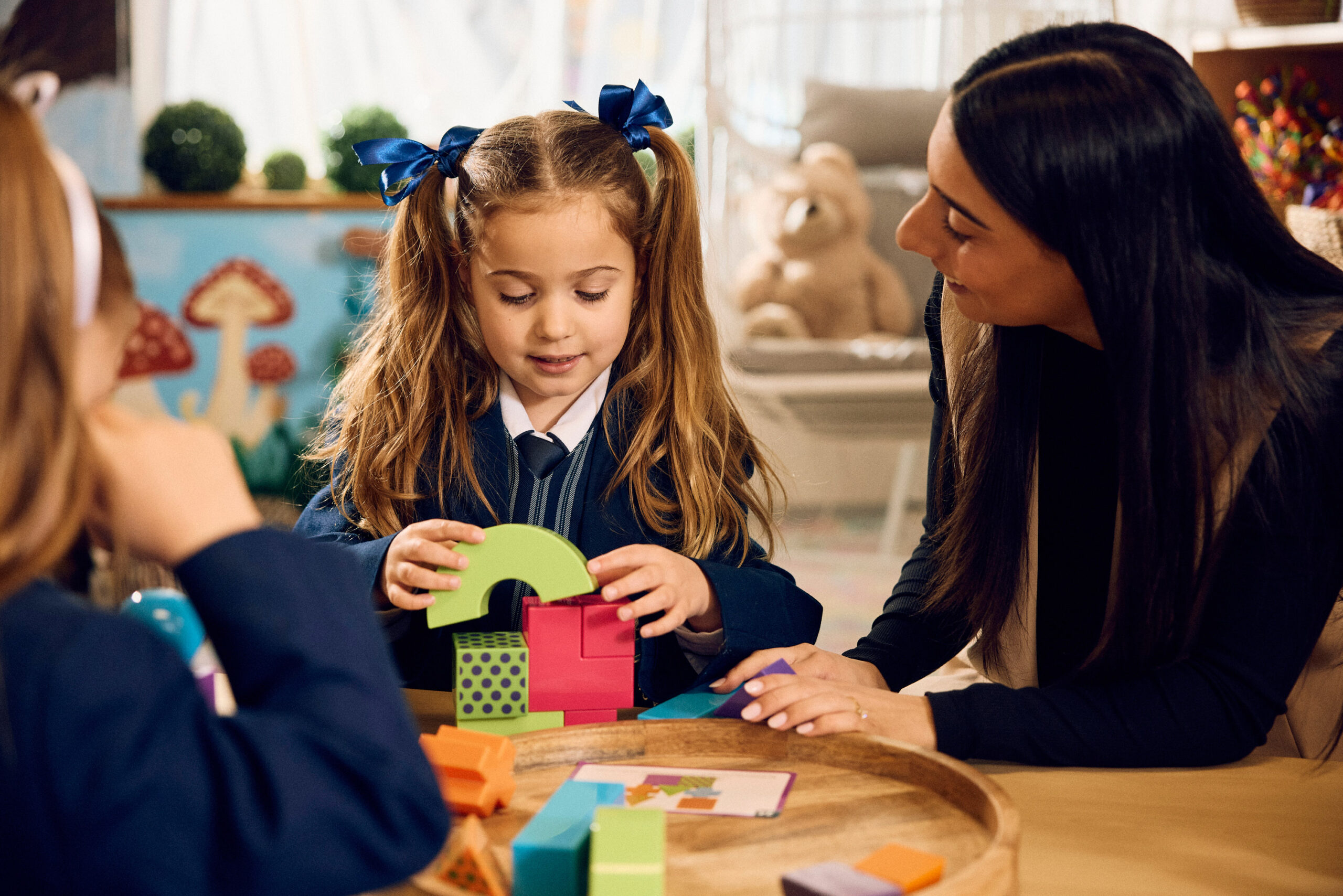
Students continue to grow as confident learners through exploration, inquiry and explicit instruction. Curiosity is encouraged as students deepen their understanding of themselves and the world around them. The InitiaLit Program supports reading development, while the Junior Years Imaginative Space extends inquiry learning through play-based experiences.
Key Milestones
Students share their learning through Learning Showcases and develop wellbeing skills through the MindUP Program. They deepen their understanding of their House story, participate in a Class Liturgy in the Chapel, and celebrate the year through the much-loved Mud Day.
Beyond the Classroom
Learning extends beyond the classroom through Early Years incursions and excursions. Students can also participate in co-curricular opportunities including after-school sport workshops.
Year 2
I am growing. We are building independence.
Learning and Teaching
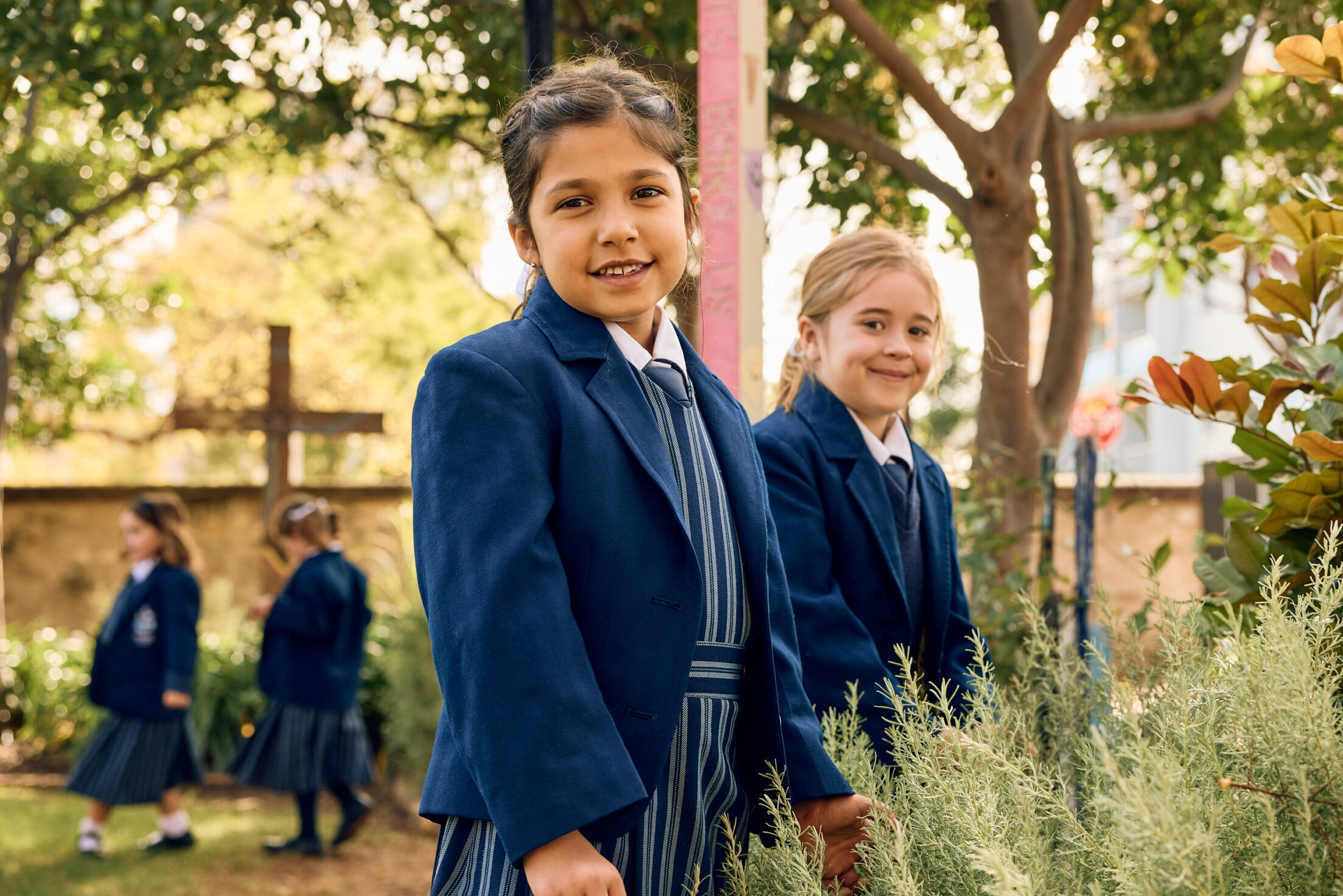
Students strengthen their literacy, numeracy and social-emotional skills while developing greater independence and responsibility. They learn to organise themselves, make choices, solve problems and take increasing ownership of their learning. Students continue developing their literacy through the InitiaLit Program.
Key Milestones
Students begin using 1:1 iPads as a learning tool and participate in the Woodwind and String Immersion Program, learning violin or cello. They deepen their connection to their House and participate in a Year 2 Service Learning Liturgy in St Mary’s Chapel.
Beyond the Classroom
Students extend their learning through incursions and excursions linked to inquiry projects. Co-curricular opportunities include the Year 2 to 4 Choir and after-school sport.
Year 3
I am exploring. We are open to possibilities.
Learning and Teaching
Students build on their academic foundations through rich learning experiences that encourage exploration, creativity and collaboration. As their confidence and independence grow, they are encouraged to pursue personal learning interests.
Key Milestones
Students continue the Woodwind and String Immersion Program, learning violin or cello. Genius Hour and Passion Projects encourage students to explore their interests and talents, while laptops and SEQTA are introduced as learning tools. Students also deepen their connection with House and participate in a Year 3 Class Liturgy.
Beyond the Classroom
Learning extends beyond the classroom through the one-night camp at Monarto Zoo, instrumental and vocal lessons, the Year 2 to 4 Choir, and opportunities to participate in after-school sport.
Year 4
I am contributing. We are making a difference.
Learning and Teaching
Students are encouraged to use their voice, contribute meaningfully and recognise the difference they can make in their community. Through learning, service and leadership opportunities, they begin to understand the impact of their actions on others.
Key Milestones
Students experience the Vertical House Model for the first time and participate in the Year 4 Band Immersion Program. Opportunities to contribute and grow include SWAG, Girl Power wellbeing workshops and the Year 4 to 6 Homework Club.
Beyond the Classroom
The two-night camp at Aldinga Beach encourages students to learn and grow beyond the classroom. Students can also participate in the Year 2 to 4 Choir, instrumental and vocal lessons, after-school sport and the Sacramental Program, alongside their Year 4 Class Liturgy.
Year 5
I am discovering my potential. We are shaping our futures.
Learning and Teaching
Students extend themselves academically while developing greater independence and future-focused capabilities. Through BECOME workshops, including the Inquiry Project and Showcase, they begin exploring future pathways.
Key Milestones
Students begin the BYOD Program and use SEQTA more formally. They take on leadership roles in the Junior School Musical and showcase their ideas through the Caine’s Arcade Inquiry Project. Opportunities also include service learning with Helping Hand Nursing Home, SWAG and Embrace Kids.
Beyond the Classroom
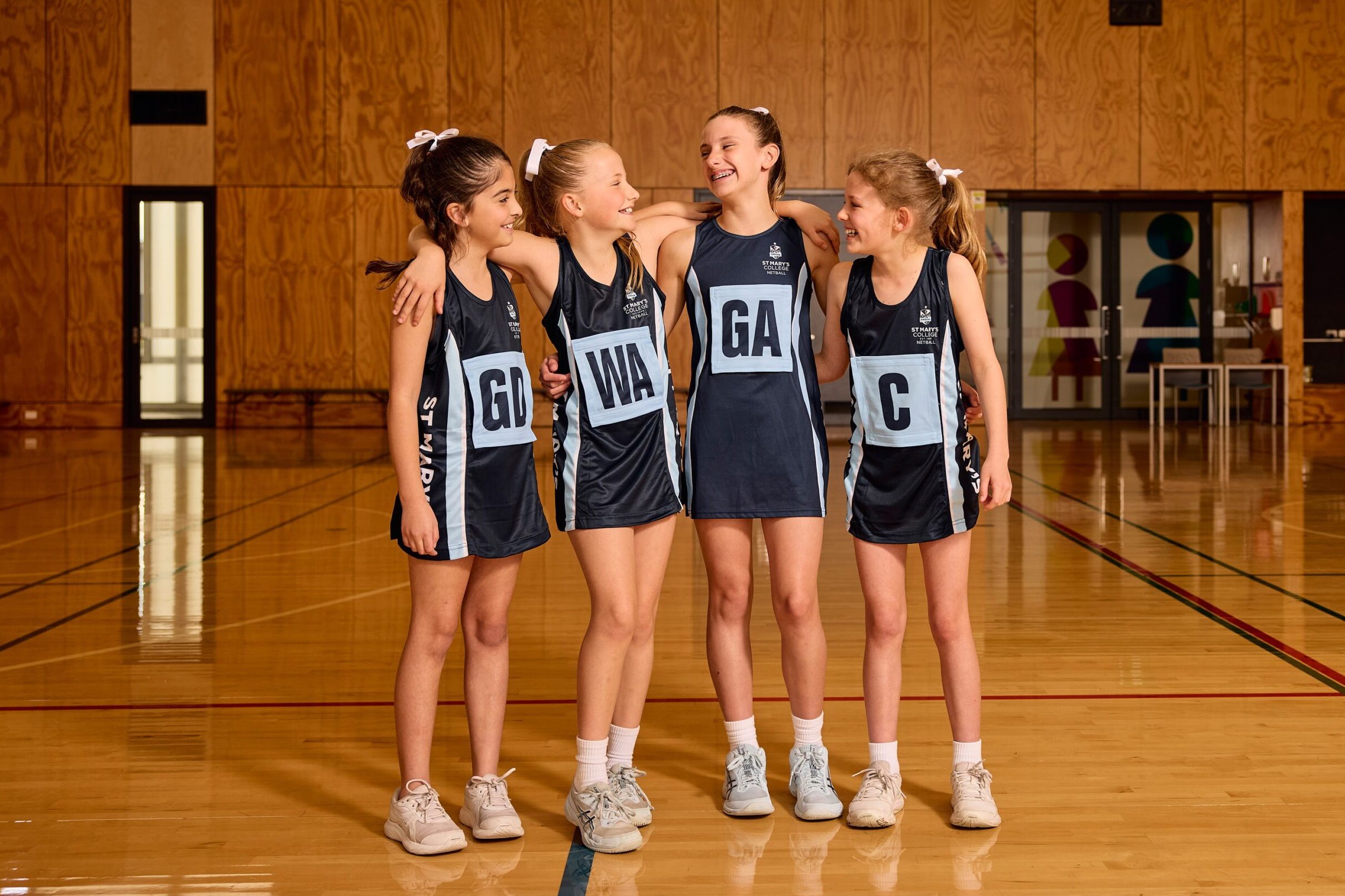
The three-night Ballarat Immersion offers students opportunities to learn and connect beyond the classroom. Co-curricular opportunities span music, netball, dance aerobics, leadership and podcasting. Students may also represent the College at the Catholic Schools Music Festival and interschool sport carnivals.

Year 6
I am a leader. We are ready.
Learning and Teaching
As students prepare for the transition to Middle School, they develop skills needed to take increasing ownership of their learning and embrace opportunities to mentor younger students. Key curriculum learning includes the Project Profit Showcase.
Key Milestones
Students can take on leadership roles as Junior House Captains and connect with their Year 7 to 12 Partner Care Groups. The Year 7 Transition ensures students are ready to embrace the next stage of their educational journey. Their Junior School years conclude with an Advent Liturgy and Year 6 Community Celebration.
Beyond the Classroom
The four-night Canberra Immersion provides an interstate learning experience. Students can develop their interests and talents through lead roles in the Junior School Musical, Catholic Schools Music Festival, interschool sport carnivals, Concert Band, podcasting, dance aerobics and after-school sport.
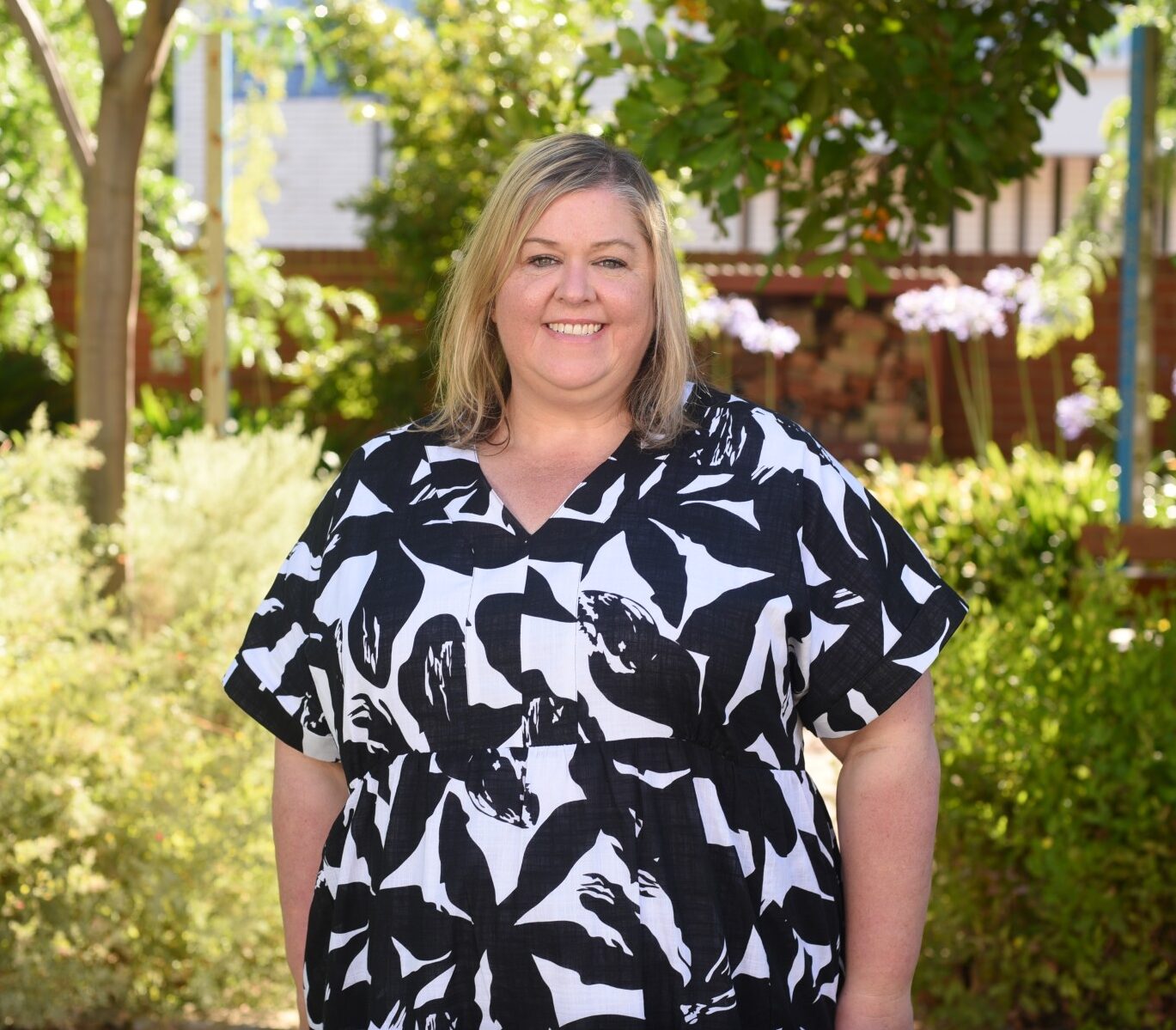
Meet our Director of Junior School.
Michelle Arthur
With more than 20 years of experience in education, Michelle is honoured to lead our Junior School.
Michelle holds a Bachelor of Education from the University of South Australia, a Graduate Certificate in Catholic Studies and a Graduate Certificate in Wellbeing and Positive Mental Health in Education from Flinders University. Michelle works closely with families to support each girl’s growth and development, believing that every student should have the opportunity to flourish.
“I am proud to lead the Junior School and to work alongside families in supporting each girl’s growth and development. Together, we are creating a learning community where every girl discovers her strengths and confidently shapes her future.”
Out of School Hours Care (OSHC)
St Mary’s offers Out of School Hours Care (OSHC) to Junior School students, providing a safe and engaging environment, before and after school. Run by familiar faces on campus, OSHC gives families flexibility and peace of mind, while children enjoy a balance of structured activities, creative play and quiet time in a setting they already know and love.