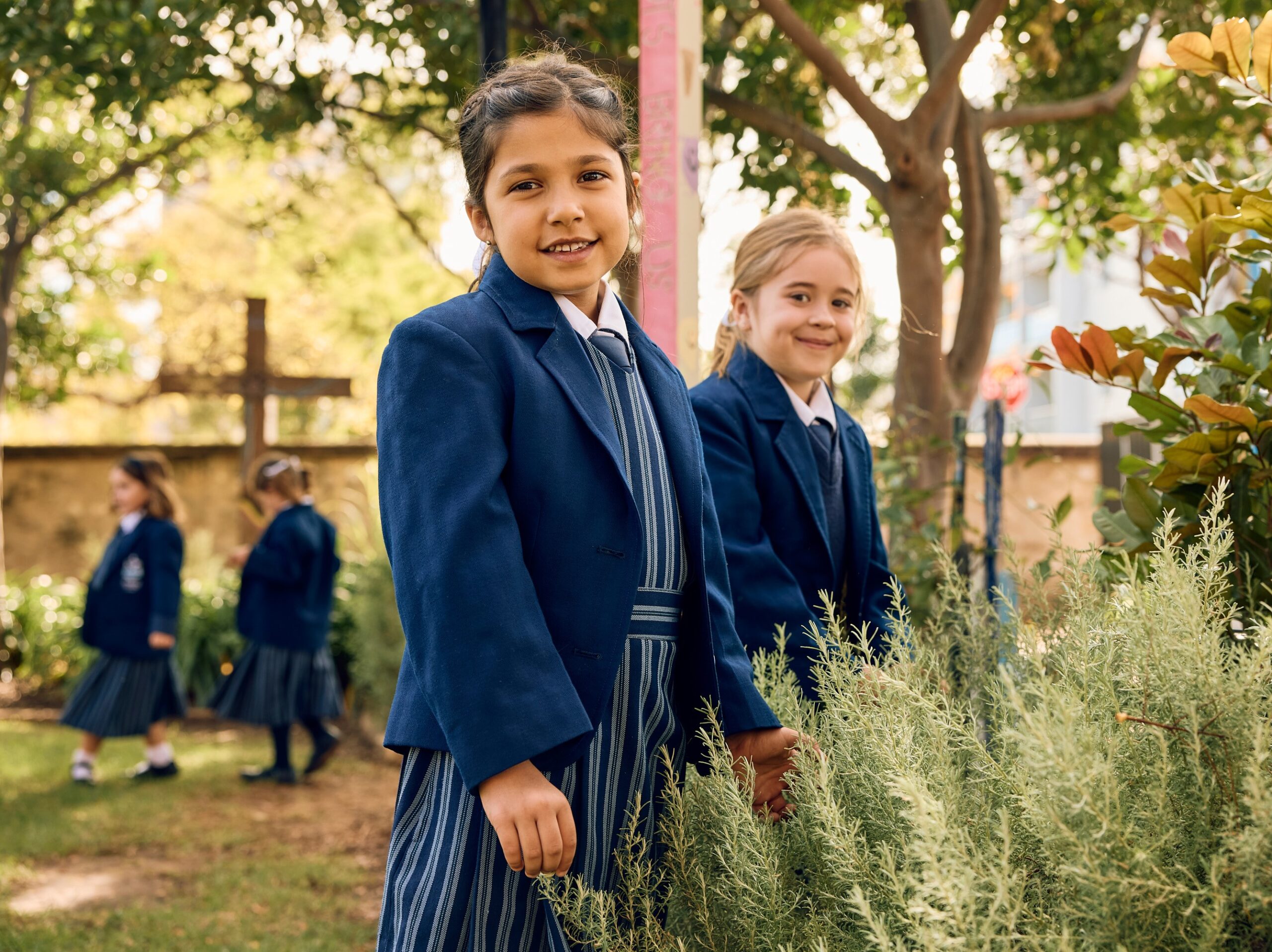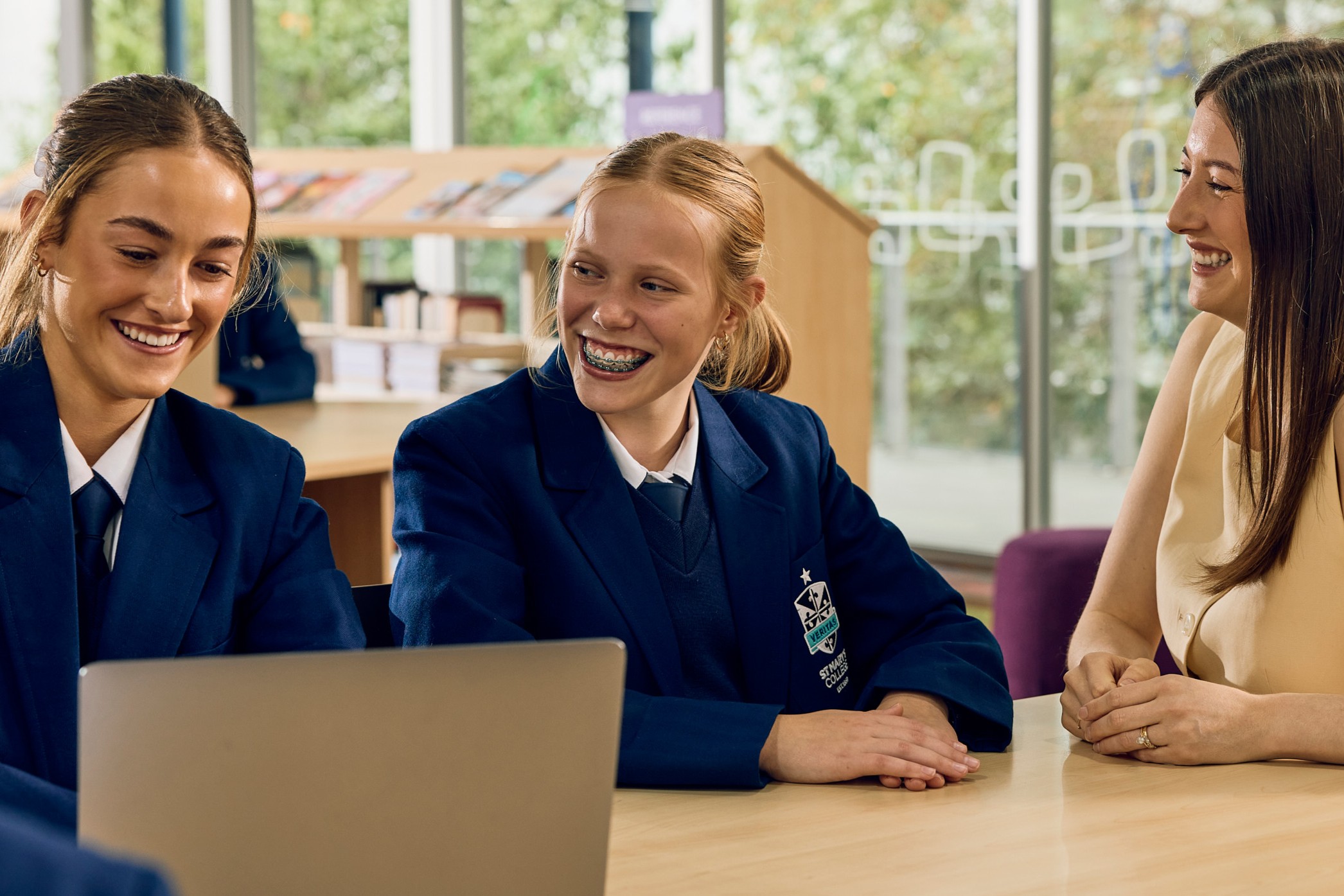


I belong. We are connected.
At St Mary’s College, we recognise the fundamental role that belonging plays in student wellbeing and educational success. Our House Model provides an additional layer of connection and pastoral care alongside students’ year level and classroom experiences.
Where belonging begins.
-
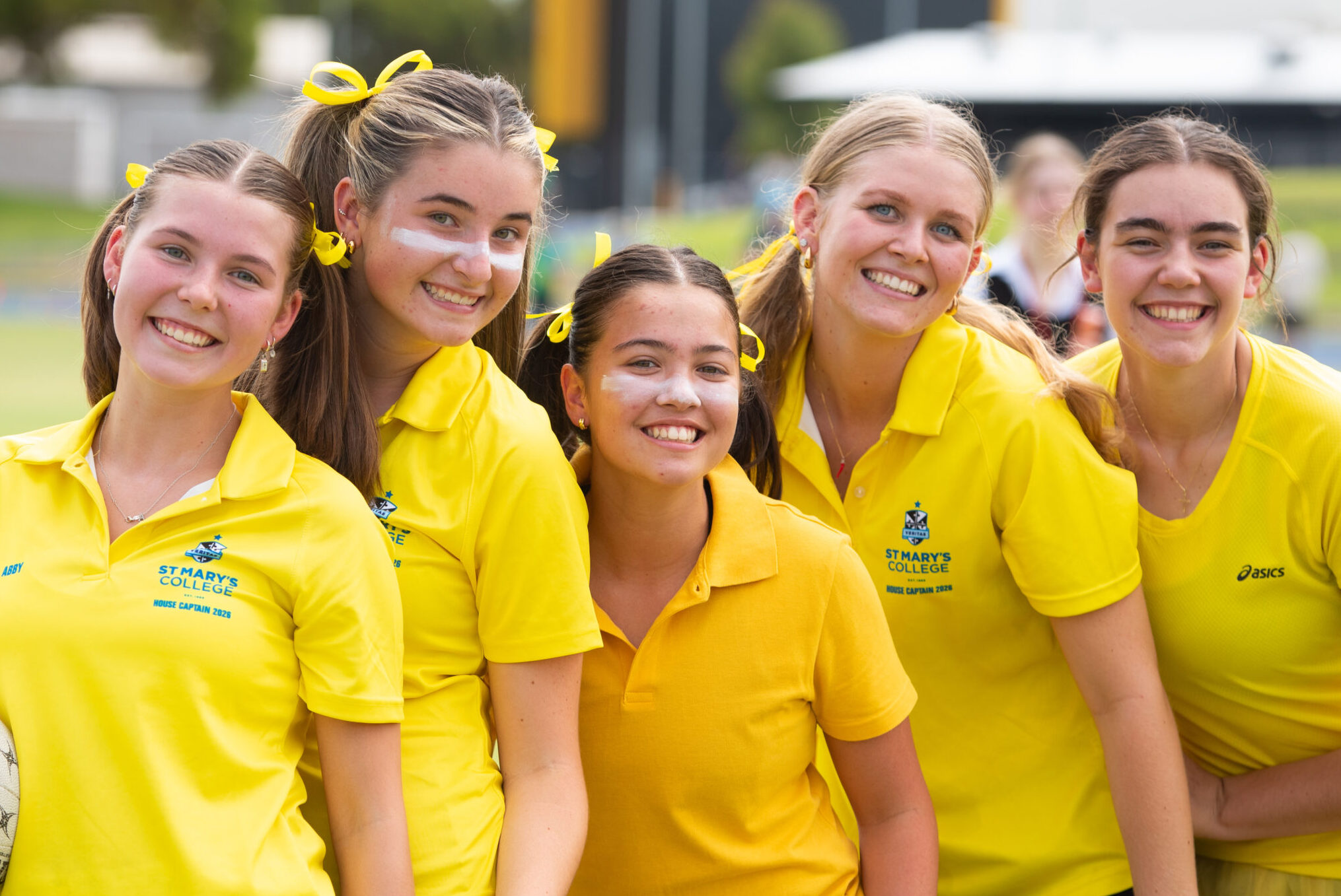
St Catherine
-
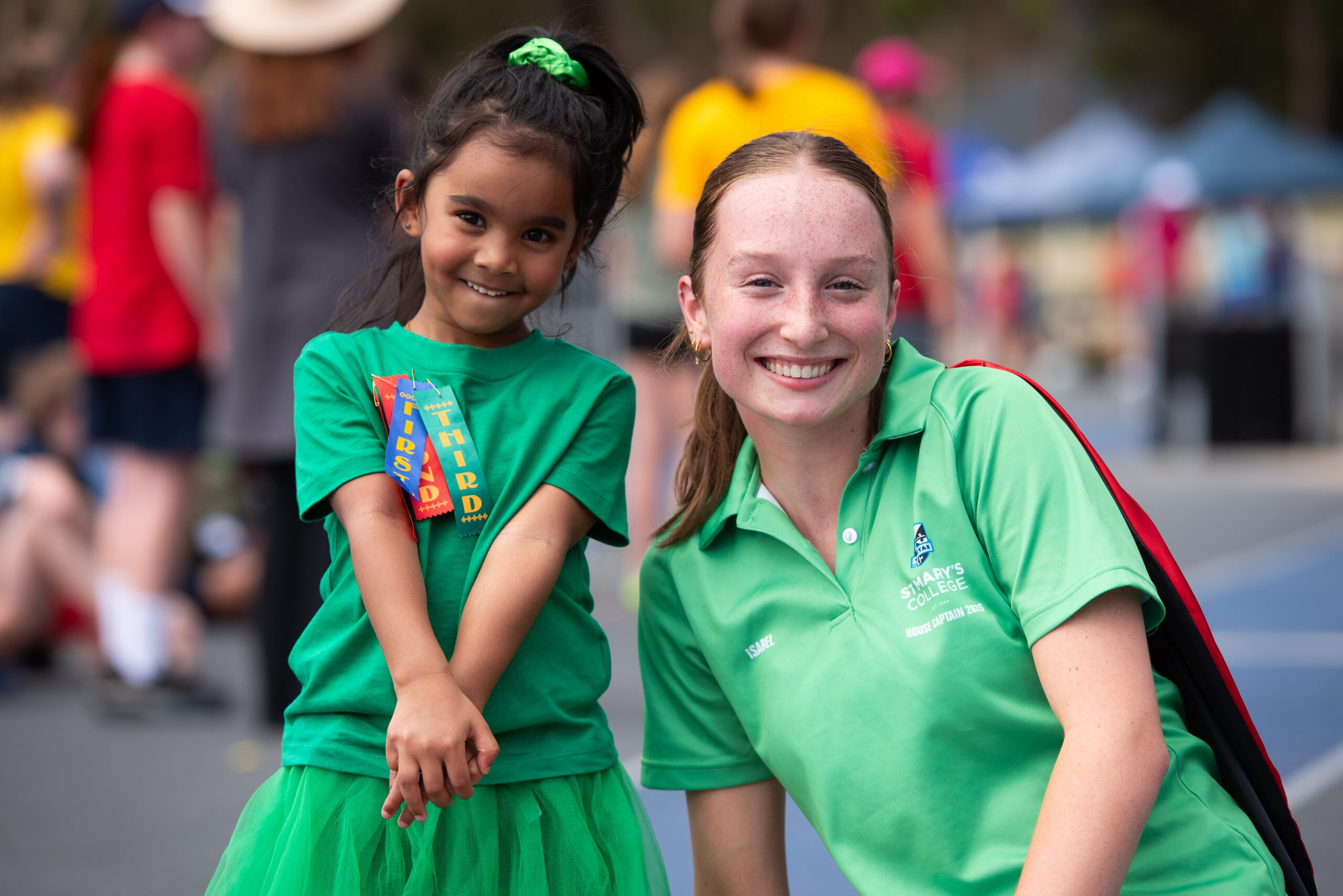
St Dominic
-
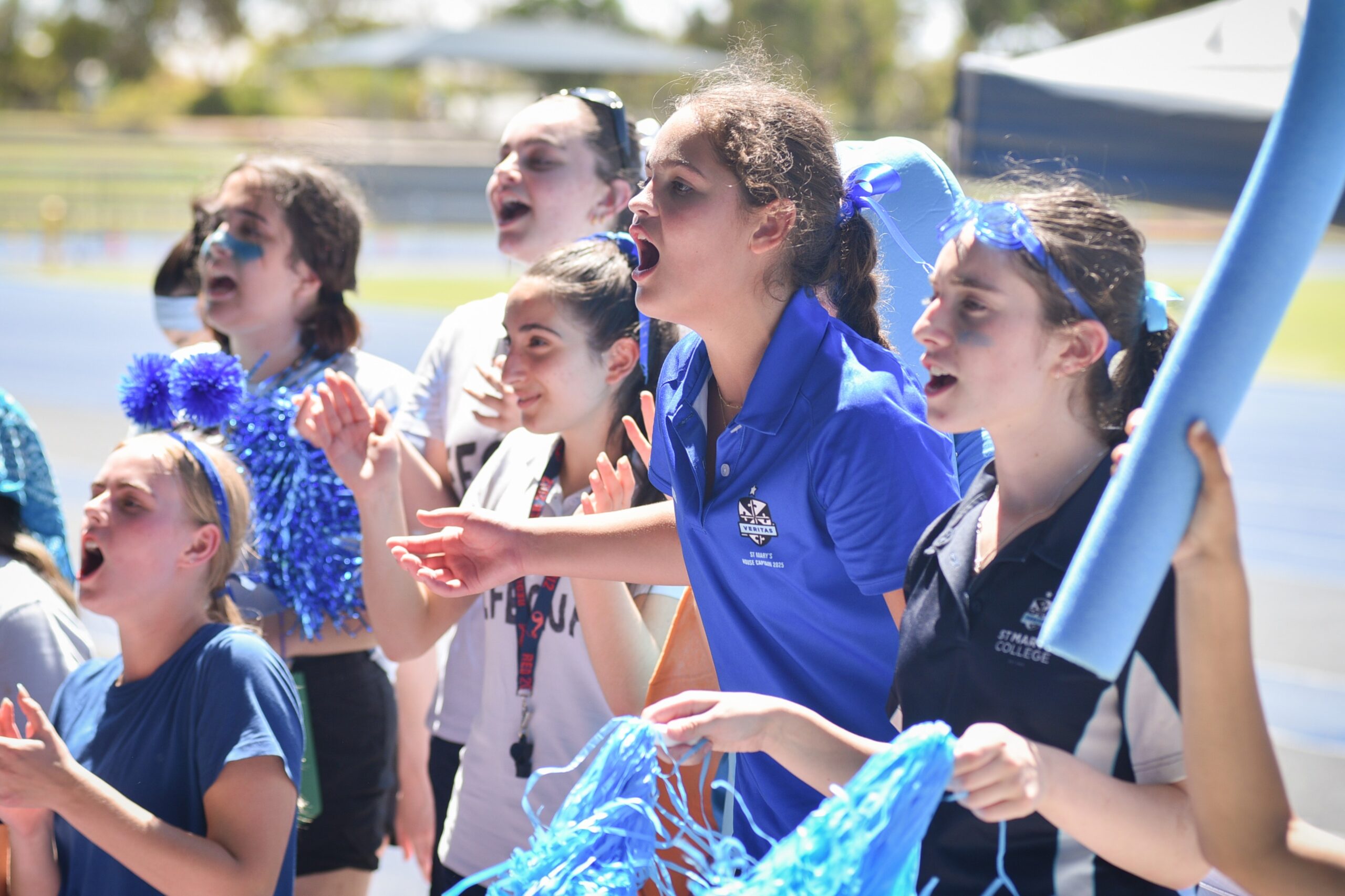
St Mary
-
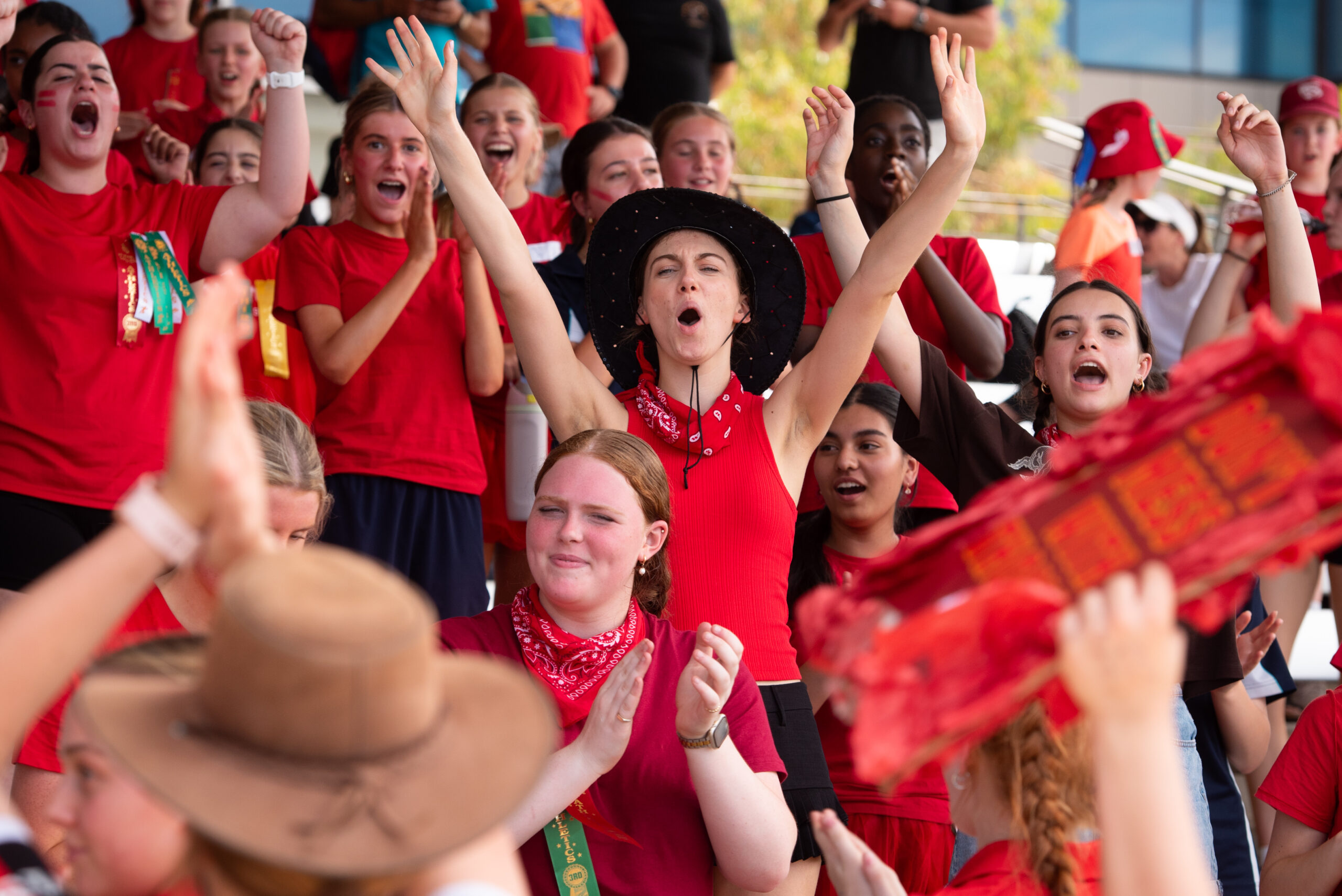
St Thomas
St Catherine
Be who God meant you to be and you will set the world on fire.
House Values: Courage and Integrity
Born in Siena, Catherine became a lay Dominican at the age of 18 and devoted herself to serving the poor and sick of her city. A prolific letter writer, she corresponded with princes, church leaders, papal representatives and even the Pope, using her voice to influence those in positions of power to live the mission of the Gospel fully.
Remembered for her courage, wisdom and unwavering faith, Catherine of Siena was canonised in 1461 and, in 1970, was named a Doctor of the Church in recognition of her significant contribution to the Christian tradition.
St Dominic
How can I study books while the poor are dying of hunger?
House Values: Justice and Honesty
Dominic de Guzman is the founder of the Dominicans, known as the Order of Preachers. He recognised the need to move beyond the walls of monasteries and meet people where they were.
While studying in Palencia, Dominic sold his precious scrolls to feed the poor, recognising the importance of bringing contemplation and action together. He also established a democratic governance structure, valuing each person’s voice and creating a community committed to seeking the truth together. Pope Honorius III confirmed the Order in late December 1216, and Dominic was canonised in 1234.
St Mary
But Mary treasured up all these things and pondered them in her heart. (Luke 2:19)
House Values: Hope and Resilience
Mary, Mother of God, is the patron of the Dominican Order. According to Scripture, Mary was a young Jewish woman from Nazareth who said yes to becoming the mother of Jesus of Nazareth.
She is recognised as the first disciple and remained with Jesus throughout his ministry, as well as during his suffering and death, never leaving his side. Mary offers an example of courage and faithfulness. Her story invites us to reflect on the strength found in hope, trust and remaining steadfast through times of challenge.
St Thomas
The things that we love, tell us what we are.
House Values: Curiosity and Respect
Thomas Aquinas was one of the greatest theological thinkers, writers and teachers in the Christian tradition. He became a Master of Theology in 1257 in recognition of his superior intellectual qualities and believed that all of life is a search for God. Grounded in the time and context in which he lived, Thomas courageously engaged with the questions of his age.
His example encourages us to do the same: to be fearless in raising questions and thorough in searching for answers. Thomas was canonised in 1323 and named a Doctor of the Church in 1567.
Leading our Houses.
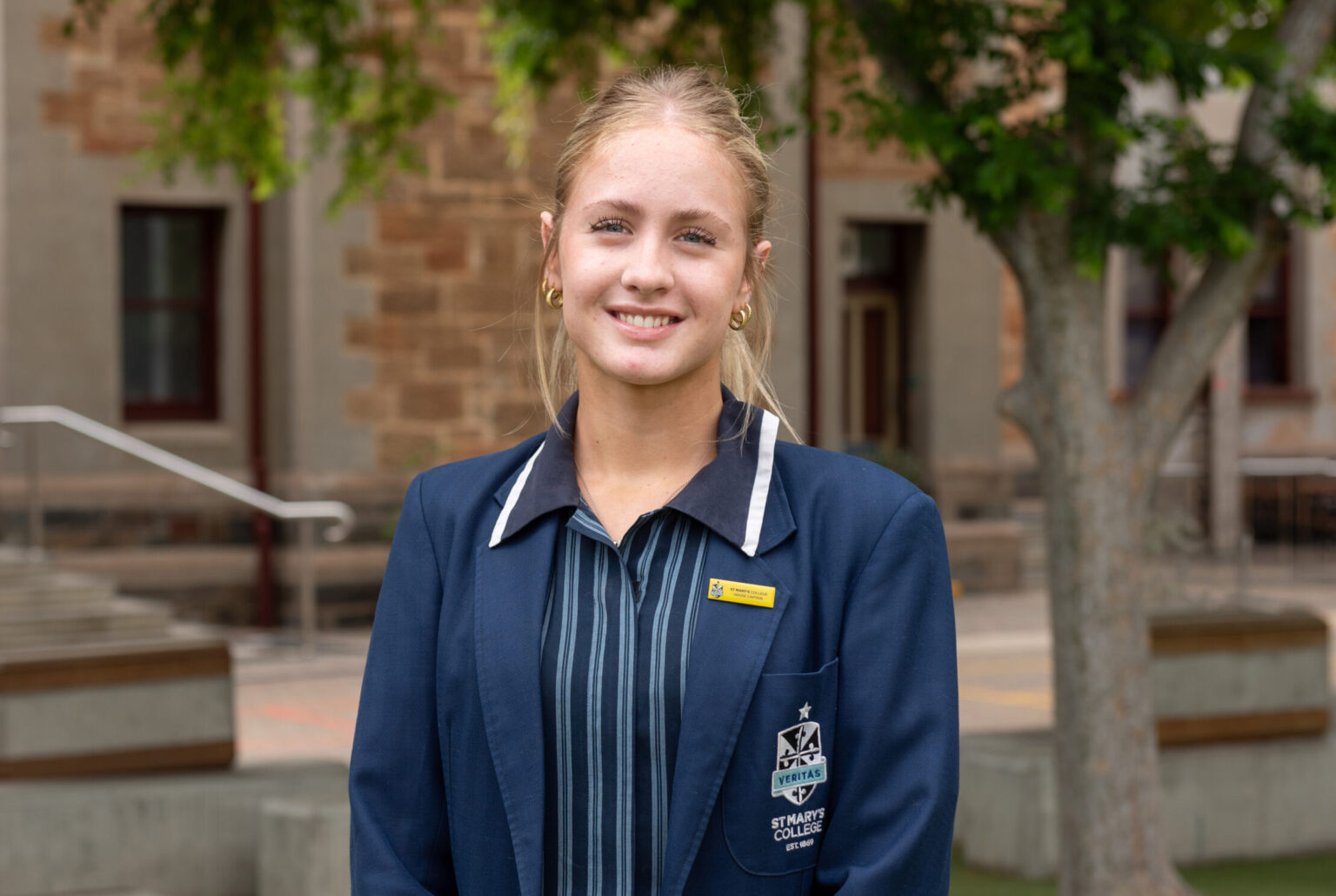
St Catherine
2027 House Captain
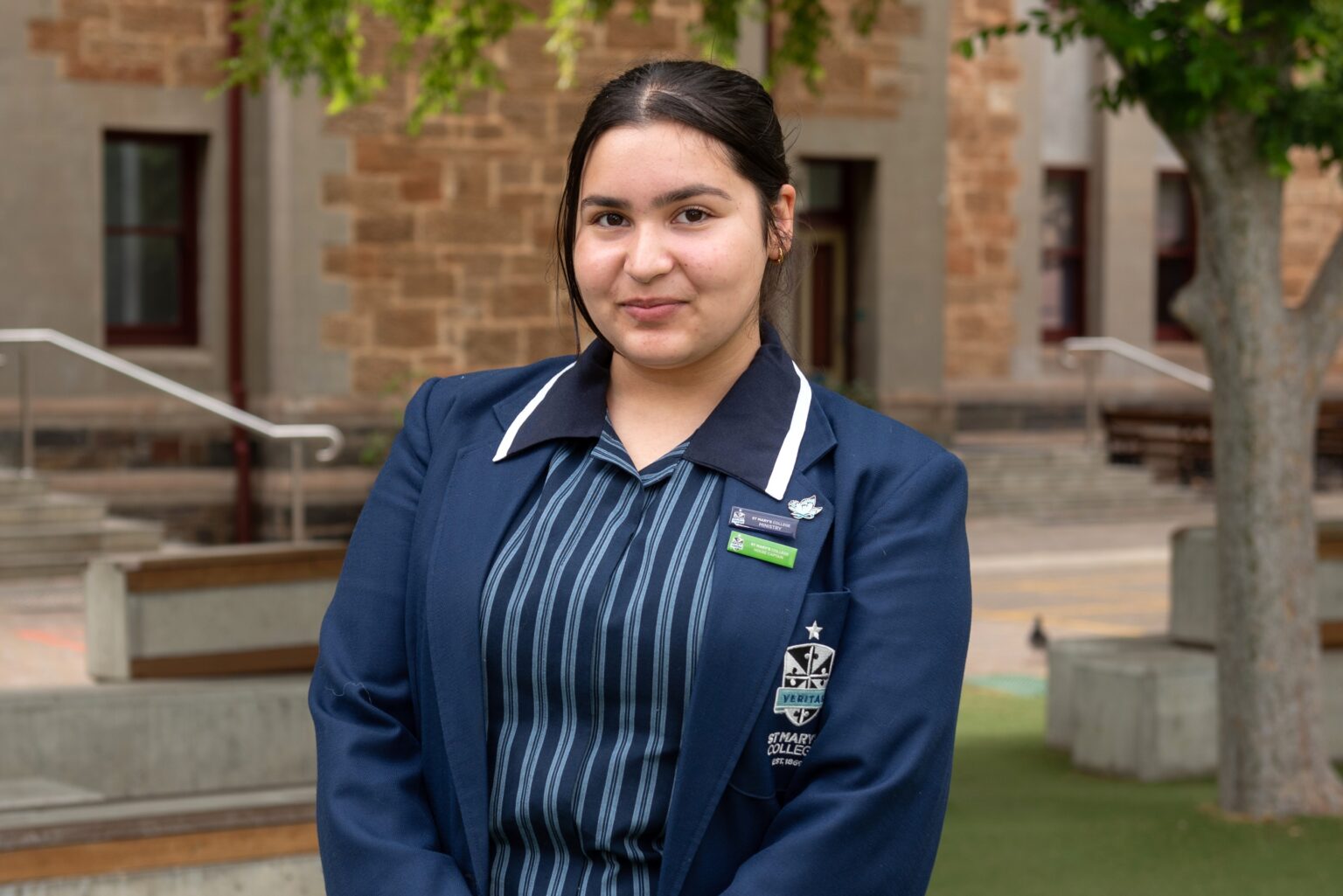
St Dominic
2027 House Captain
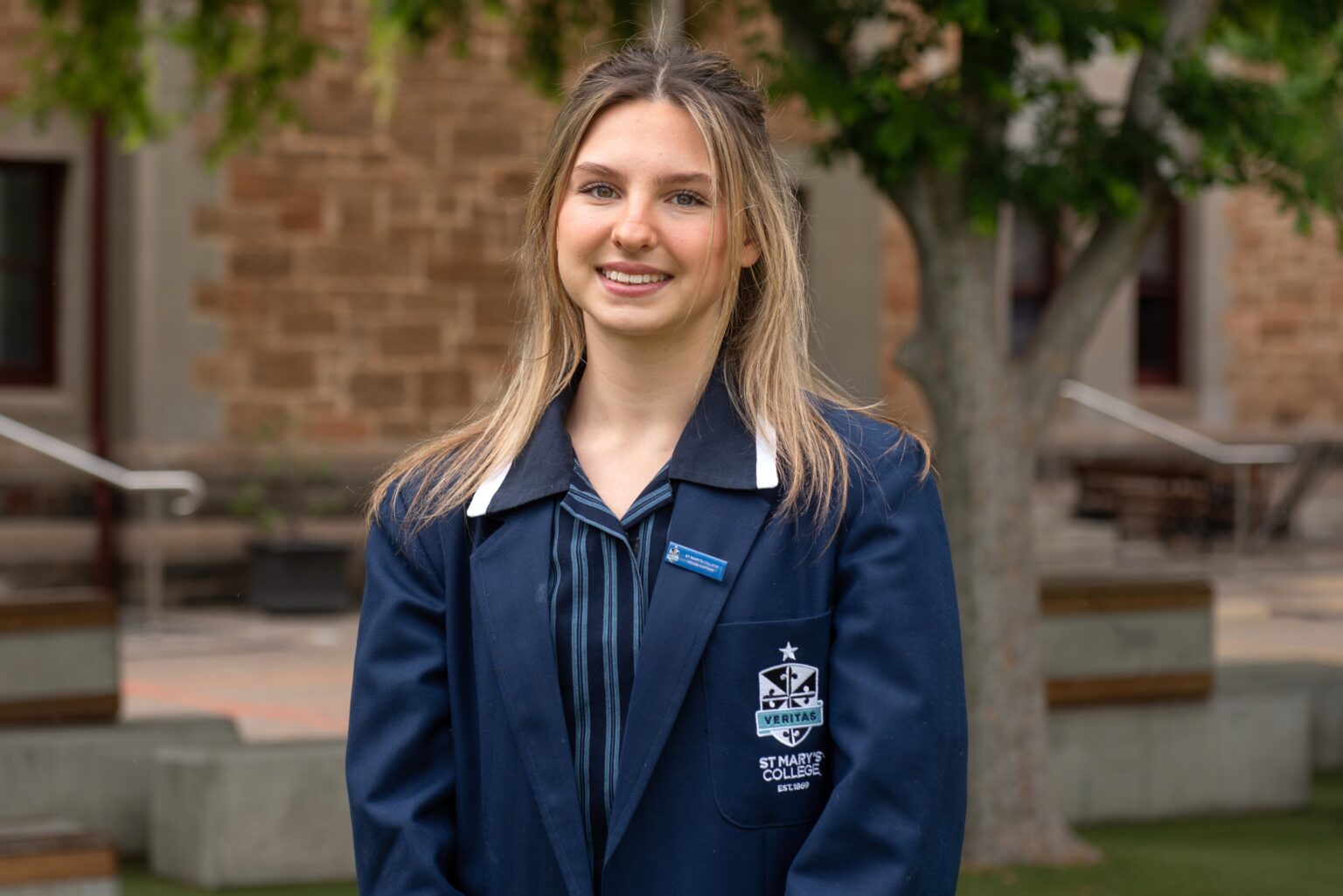
St Mary
2027 House Captain
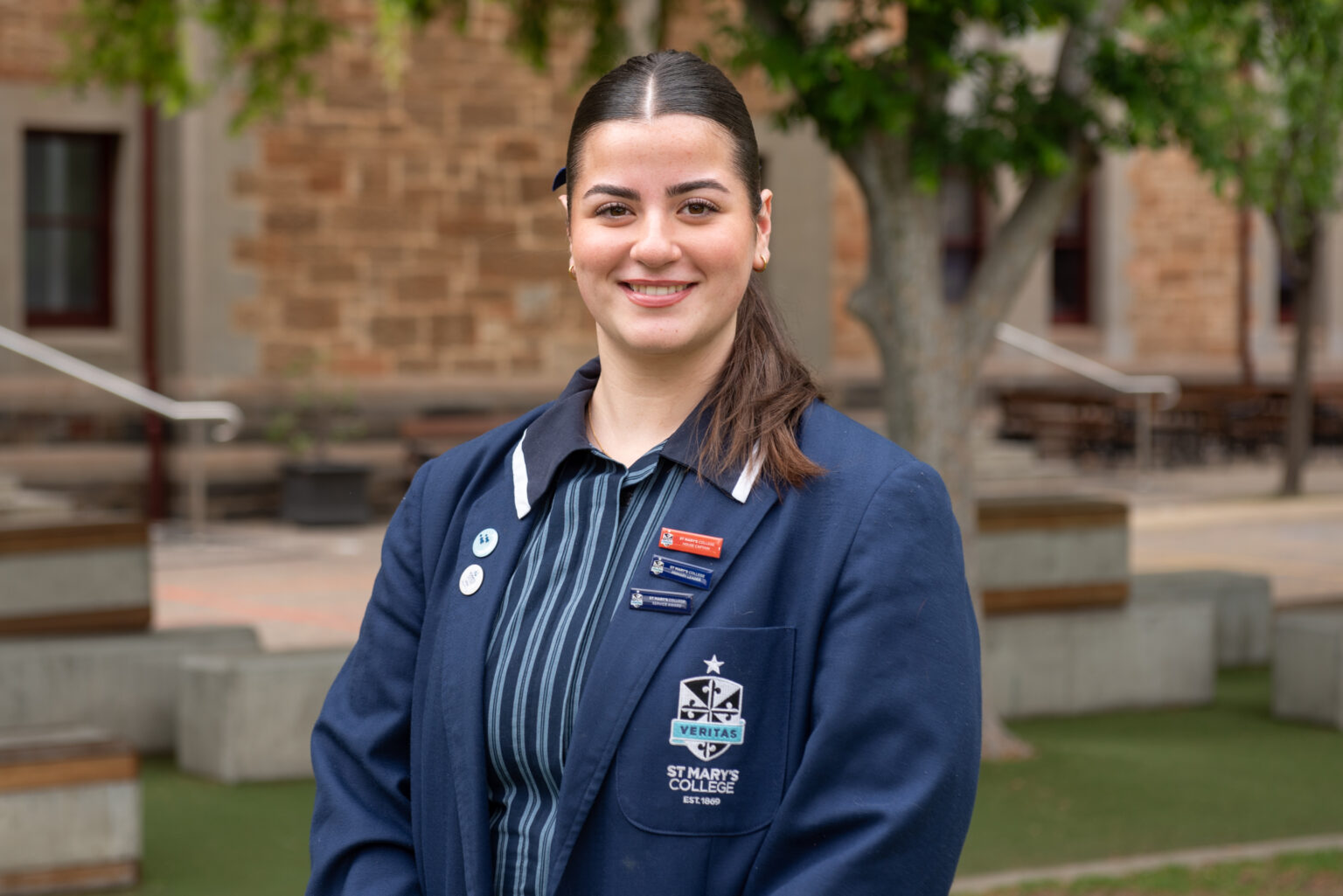
St Thomas
2027 House Captain
St Catherine
2027 House Captain
Poppi
Leadership is about leading with kindness, courage and commitment, while inspiring others to feel valued, supported and confident in themselves. Having grown up at St Mary’s College, I have been fortunate to experience the incredible sense of belonging and community that makes our College so special.
I applied for House Captain because I want to give back to the community that has shaped me into the person I am today and encourage others to embrace every opportunity. My vision for St Catherine in 2027 is to create a House where every girl feels included, celebrated and proud to belong. I hope to lead by example, strengthen our House spirit and inspire others to step outside their comfort zones, knowing that together, we can achieve so much more.
St Dominic
2027 House Captain
Rismina
Leadership to me is about bringing our community together, lifting each other up and making our College feel like a safe and welcoming place, where everyone shows up with a smile. I applied to become House Captain because I wanted to create a House that people are genuinely excited to be a part of. I want St Dominic to be more than a colour or a competition. I want it to feel like family.
My vision for St Dominic is lively chaos, with lots of laughter and House spirit. I hope to introduce new traditions, bring year levels together and create memories that last long after my time at St Mary’s College. Most importantly, I hope to bring home a few wins, leaving behind a legacy that makes the next era of St Dominic stronger.
St Mary
2027 House Captain
Olivia
To me, leadership is more than holding a title. It is caring for others, listening to different perspectives and helping people feel valued and included. A good leader leads by example, adapts when needed and brings out the best in others.
I applied to be House Captain because I am passionate about teamwork, competition and the community I represent. Since arriving at St Mary’s College, I have developed a connection with my peers and want to help make that experience meaningful for others.
My vision for 2027 is to build a House community where everyone can contribute through their individual strengths, interests and talents, so that every student feels valued, takes pride in their House and knows they belong. I hope to create opportunities for students across Reception to Year 12 to get involved and share their ideas and abilities. Ultimately, I want to bring care, drive and community to the St Mary’s house.
St Thomas
2027 House Captain
Nevada
Leadership is not about wearing a badge; it is about fostering a sense of belonging in our community and making sure everyone feels valued. I am not someone who will stand above you, but someone who will stand beside you, through acts of service and connection.
I will create a positive culture by leading through my actions and encouraging others to feel included. Empowering young women to discover their capabilities and building connections within the community is important to me because it helps students feel they belong.
My vision for 2027 is to uphold the College value of Veritas and inspire one another to feel confident and have a voice among peers. I want to be someone you can turn to, someone who listens, someone who shows up. As the St Thomas House Captain, I hope to make meaningful contributions by leading the community in events and by supporting and encouraging students across all year levels.
Why House Matters.
House is more than a name or a colour. It is a community where students can develop relationships, find their voice and grow in confidence as they journey through St Mary’s.
Belonging Across the Years
The House model creates a sense of belonging that grows and evolves as students move through the College.
Students are welcomed into their House from Reception, where they begin to discover their House patron, story and values, and develop a sense of pride in being part of something beyond their classroom.
As students grow, their involvement in House life grows with them. In Junior School students take part in House activities, while Year 6 students have opportunities to take on early leadership responsibilities. When students reach Middle and Senior School, their House becomes an important part of their College identity, providing opportunities to represent their peers, lead initiatives and contribute to the wider St Mary’s community.
Connected Through Care Group
To further strengthen the St Mary’s House Model, the College will introduce a vertical Care Group structure in 2027.
From Year 7 to 12, each Care Group includes approximately 20 to 25 students, with girls from each year level represented. A dedicated Care Group Teacher supports the group over time and provides an ongoing point of connection for students and their families.
This structure allows older students to support younger students while building relationships that extend beyond a single year level. It strengthens pastoral care and creates a consistent network of people students can turn to throughout their secondary journey.
Leadership Opportunities at Every Stage
House leadership roles are established at key transition points in Year 6, Year 9 and Year 12, reflecting the increasing responsibility students can assume as they progress through the College. Each House is represented by a Junior House Captain in Year 6, a Middle House Captain in Year 9, and Senior House Leadership comprising one House Captain and two House Deputies in Year 12. These roles provide students with opportunities to represent their peers, contribute to House life and play an active role in shaping the wider College community.
More Than Sports Day
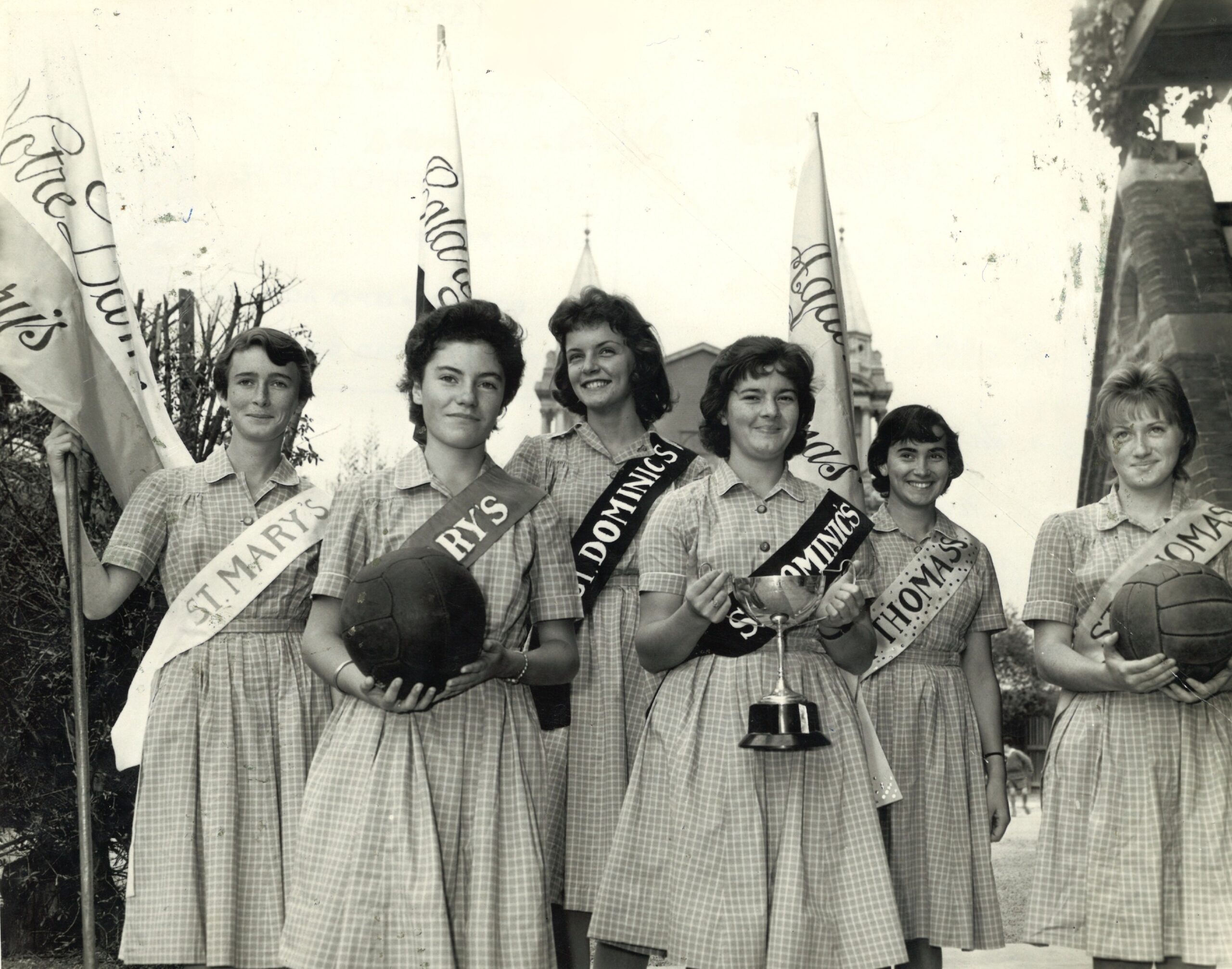
While House spirit comes to life through sporting events and Sports Day, it extends well beyond competition. House provides opportunities for students to connect and contribute throughout the year, from House activities and events to leadership and pastoral care.
Students are encouraged to take pride in their House and support one another, fostering a sense of connection and belonging that extends well beyond the annual Sports Day.
Our Founding Saints.
Our four Houses are named in honour of the saints who helped shape the Dominican tradition and the values at the heart of St Mary’s College. Discover more about our founding saints and the legacy they represent.
St Catherine
Saint Catherine of Siena (1347-1380) was a Dominican tertiary, mystic, and one of the most influential female figures in the Catholic Church. Born in Siena, Italy, during the time of the plague, she devoted her life to prayer, penance, and service to the poor and sick. Though she never entered a convent, she joined the Third Order of St Dominic, living a life of deep spirituality while remaining in the world. Her profound mystical experiences, including what she described as a “mystical marriage” to Christ, shaped her mission to call others to repentance, holiness and complete trust in God.
Catherine’s impact extended far beyond personal holiness. She became a powerful voice in Church and political affairs, writing hundreds of letters and urging reform, peace and unity. Most notably, she played a key role in persuading the Pope to return from Avignon to Rome during a time of division. Her spiritual writings, especially The Dialogue, have had lasting influence, leading to her being named a Doctor of the Church. St Catherine of Siena remains a model of passionate devotion and active leadership in the life of the Church.
St Dominic
Saint Dominic (1170-1221), born in Caleruega, Spain, was a man of deep compassion, intellect and faith who dedicated his life to serving others and proclaiming the truth. From a young age, he showed remarkable generosity – famously selling his possessions, even his study books, to feed the poor during a time of famine. Highly educated in theology, Dominic became known not only for his learning but for his humility and commitment to living simply in service of God and others.
He is best known as the founder of the Order of Preachers (the Dominicans), a religious community devoted to prayer, study and preaching. At a time of confusion and division within the Church, Dominic travelled widely, engaging people with compassion, truth and mercy. His life reflected a balance of deep faith, intellectual pursuit and care for those in need. As the patron of St Dominic House, he represents truth, service, humility and a commitment to standing up for what is right.
St Mary
Mary, Mother of Jesus, also known as the Blessed Virgin Mary or Mary Mother of God, is a central figure in Christianity who is honoured as the mother of Jesus Christ. According to the Gospels, she was chosen by God and visited by the Archangel Gabriel, who announced that she would conceive Jesus through the Holy Spirit. Mary responded with faithful acceptance, becoming the mother of Jesus and playing a key role in the events of his early life, including his birth in Bethlehem, his presentation in the Temple, and his upbringing in Nazareth. Throughout the New Testament, she is present at significant moments of Jesus’ ministry, including the wedding at Cana and his crucifixion, where she stood faithfully at the foot of the cross.
In the tradition of the Church, Mary is honoured as a model of perfect faith, humility and obedience to God, and is revered as the greatest of the saints. She is believed to have a unique role in salvation history and is honoured with doctrines such as the Immaculate Conception and the Assumption, which affirm her special grace and being taken body and soul into heaven. Mary is also regarded as a spiritual mother to all Christians and an intercessor who prays for humanity. Celebrated in feasts throughout the Church year, she remains a powerful symbol of compassion, discipleship and devotion, and is widely venerated as patroness and protector of all people.
St Thomas
Saint Thomas Aquinas (1225-1274) was one of the most influential thinkers of the medieval Church, known as the “Angelic Doctor”. Born in Italy, he joined the Dominican Order despite his family’s objections and went on to study under Albertus Magnus. Aquinas became a renowned teacher in Paris and Rome, dedicating his life to study, teaching and writing. His greatest works, including Summa Theologiae and Summa contra Gentiles, sought to explain Christian belief in a clear, logical and systematic way.
Aquinas is best known for uniting faith and reason, showing that human intellect and philosophy – especially the ideas of Aristotle – could help people understand God and the world. He argued that truth is found through both revelation and rational thought, and he developed famous arguments for the existence of God, known as the “Five Ways.” His teachings, later called Thomism, shaped Catholic theology and Western philosophy for centuries, and he remains the patron saint of students and universities.