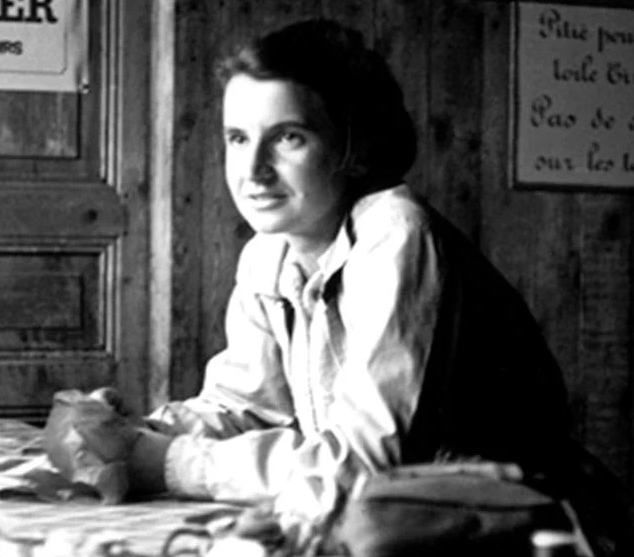


Marie Tharp
Geologist, Oceanographic Cartographer
Ocean Floor Map | 1957
Women in STEM have helped us understand the world around us, including what lies beneath the ocean. Marie Tharp changed how scientists viewed the ocean floor through her groundbreaking maps.
Marie was an American geologist and oceanographic cartographer who created the first scientific map of the Atlantic Ocean floor. She initially studied English and Music, as women had limited opportunities to study Geology. During World War II, labour shortages opened new doors for women in scientific fields.
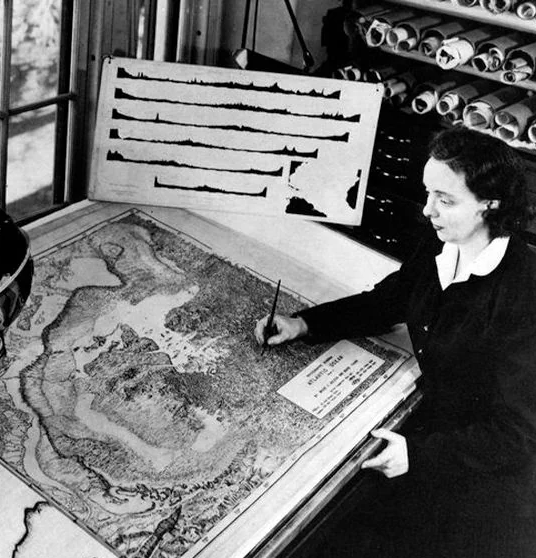
Hedy Lamarr
Actress, Inventor, Film Producer
Frequency-Hopping | 1941
Hedy Lamarr’s work helped pave the way for wireless technologies we use today, including Bluetooth, GPS and Wi-Fi. Although she was famous for her acting, her scientific ideas made a lasting impact on technology.
Hedy was an Austrian-American actress and inventor who developed frequency-hopping technology with composer George Antheil in 1941. The invention was designed to prevent radio signals from being intercepted during wartime. Despite her success in film, her achievements as an inventor were often overlooked.
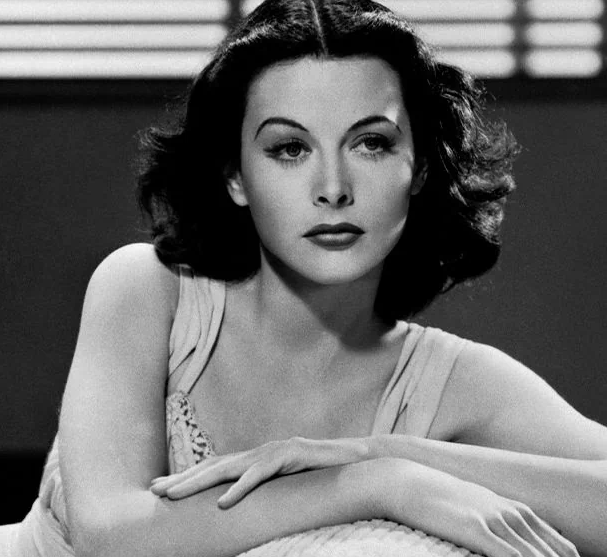
Ada Lovelace
Mathematician, Writer, Inventor
Computer Algorithm | 1843
Did you know that the first computer programmer was a woman? Ada Lovelace helped shape the future of computing long before modern computers existed.
Ada was an English mathematician and writer who published the first algorithm intended for a machine in 1843. An algorithm is a set of instructions that tells a computer how to complete a task. Her work recognised that computers could do much more than calculations, making her a pioneer of computer programming.
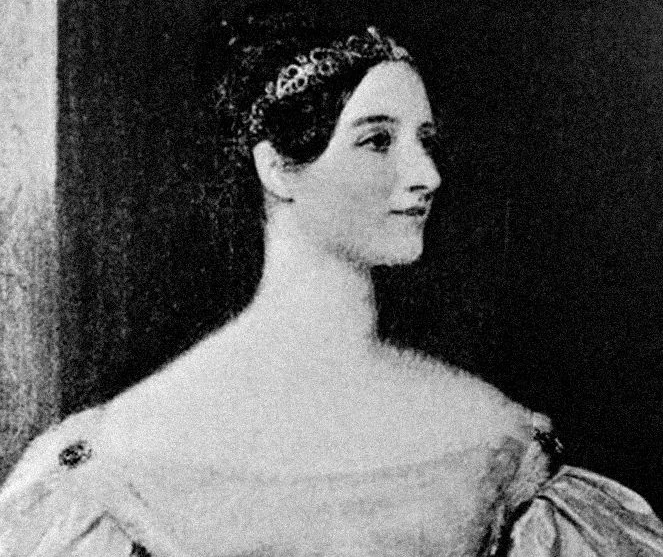
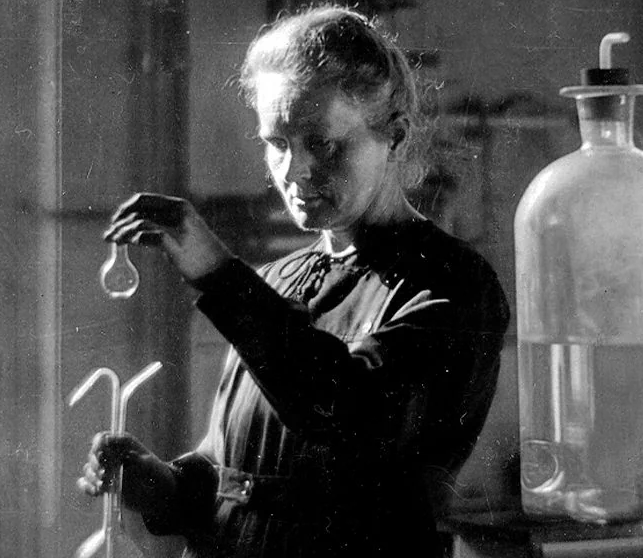
Marie Curie
Physicist, Chemist, Inventor
Radioactivity, Radium and Polonium | 1898
Marie Curie’s discoveries changed science and medicine, helping us better understand radioactivity and its uses. She was the first woman to win a Nobel Prize and remains the only person to win Nobel Prizes in two different scientific fields.
Marie was a physicist and chemist who discovered polonium and radium with her husband in 1898. During World War I, she helped develop mobile X-ray units to treat injured soldiers, training women, including her daughter Irène, to operate them. Irène later won a Nobel Prize of her own.
Letitia Geer
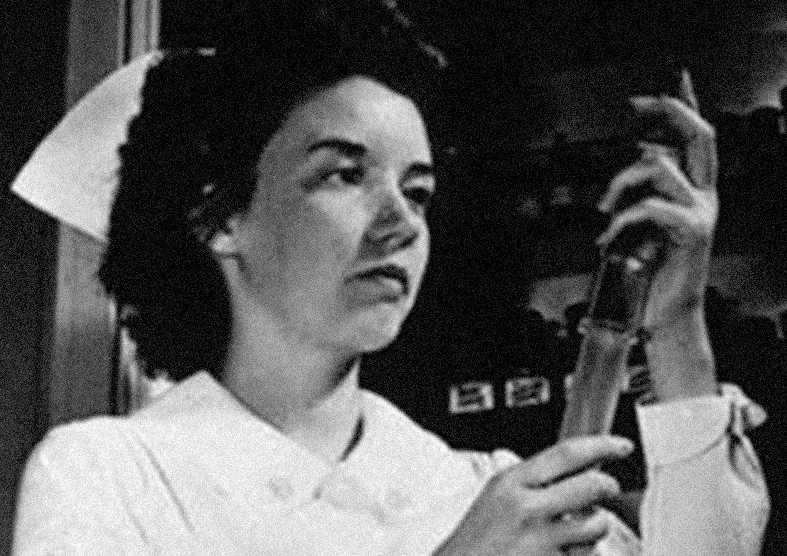
Nurse, Inventor
Medical Syringe | 1899
Medical syringes are used every day in healthcare, but did you know a woman helped shape their design? Letitia Geer made it easier for medical professionals to administer medicine safely and efficiently.
Letitia was a nurse and inventor who designed a syringe that could be operated with one hand in 1899. Her design allowed medical professionals to control the injection while using their other hand to assist patients. Her work helped influence the development of modern medical syringes.
Maria Telkes
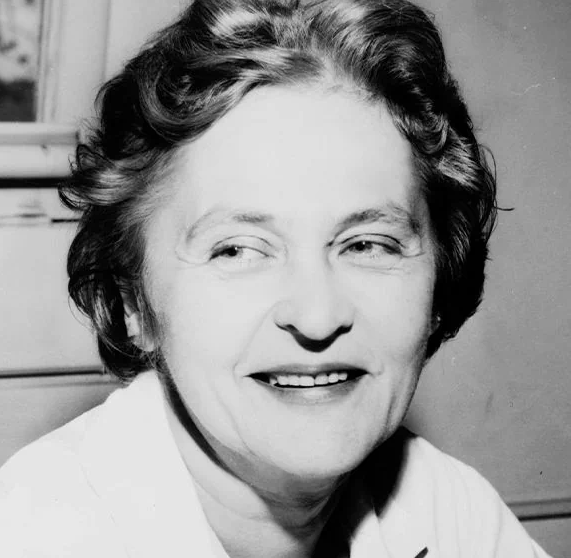
Biophysicist, Scientist, Inventor
Solar Energy | 1948
Did you know sunlight can be used to heat homes? Maria Telkes, nicknamed the ‘Sun Queen’, helped develop ways to capture and store solar energy, paving the way for more sustainable heating systems.
Maria was a biophysicist and inventor who developed a solar heating system that stored heat using sodium sulphate. Her technology helped heat a home and was also used in solar ovens and crop drying. Her work earned her recognition as a pioneer in solar energy research.
Patricia Bath
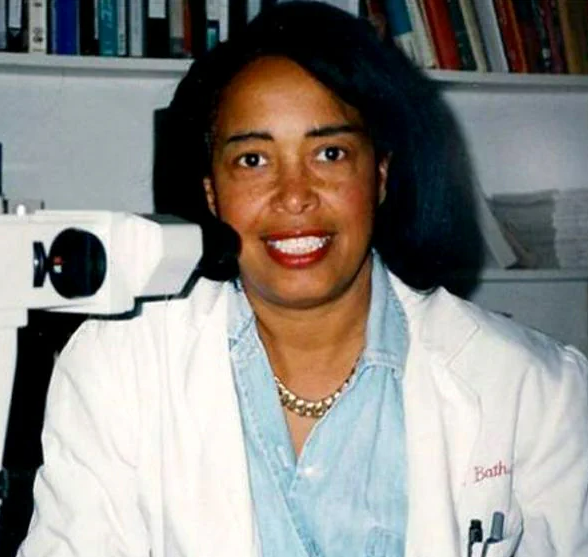
Ophthalmologist, Inventor, Humanitarian, Academic
Laser Cataract Surgery | 1986
Imagine a treatment that uses lasers to help restore sight. Patricia Bath developed a groundbreaking device that improved cataract surgery and helped make vision restoration possible for more people.
Patricia was an ophthalmologist and inventor who created the Laserphaco Probe to remove cataracts. She was passionate about improving access to eye care, particularly for underserved communities. She became the first African American woman doctor to receive a medical patent.
Maria Beasley
Entrepreneur, Inventor
Life Raft Improvements | 1880
Did you know an inventor helped improve the life rafts used on ships? Maria Beasley designed collapsible life rafts that could carry more people while taking up less space than traditional wooden lifeboats.
Maria was an entrepreneur and inventor who also developed barrel-making machines. Four of her life rafts were aboard the Titanic, each designed to hold up to 47 people. Her practical designs helped improve maritime safety and showed how innovation could solve real-world problems.
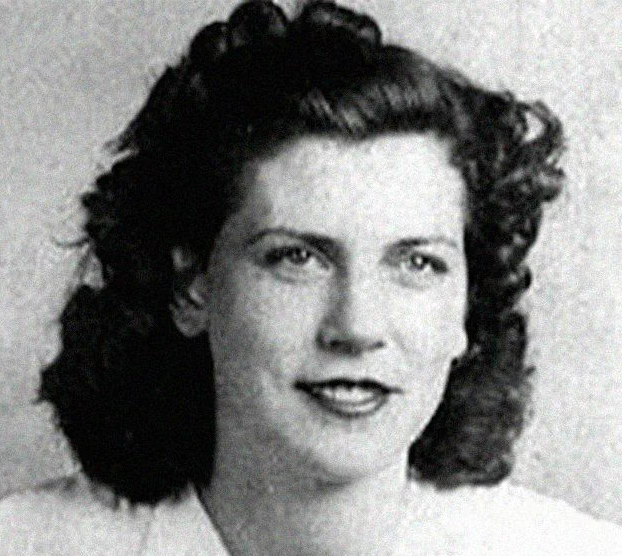
Elizabeth Magie
Game Designer, Writer, Feminist
Monopoly Game | 1904
Did you know the original version of Monopoly was designed to teach people about land ownership and rent? Elizabeth Magie created a board game that explored how the property system could affect wealth and fairness.
Elizabeth was a game designer and writer who developed The Landlord’s Game. Her game later influenced Monopoly, which became one of the world’s most popular board games. Although her contribution was overlooked for many years, she is now recognised for her role in its origins.
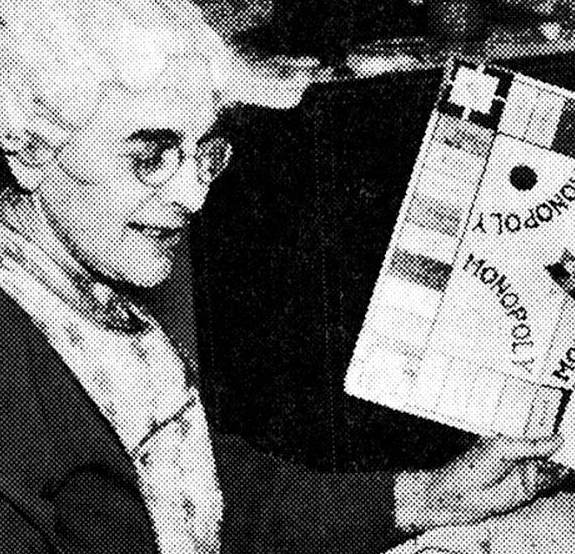
Ann Tsukamoto
Stem Cell Researcher, Inventor
Stem Cell Isolation | 1991
Did you know stem cell research is helping scientists better understand cancer? Ann Tsukamoto contributed to this work through a breakthrough that helped researchers study how blood-forming stem cells develop.
Ann is a stem cell researcher who helped isolate blood-forming stem cells. With a PhD in microbiology and immunology, her research advances understanding of blood disorders and cancer. Her work informs research into treatments for serious medical conditions.
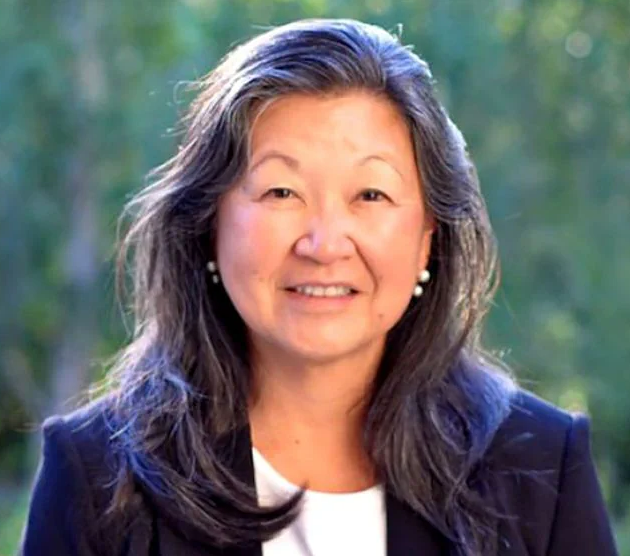
Bette Nesmith Graham
Typist, Commercial Artist, Inventor
Liquid Paper | 1951
Have you ever made a typing mistake and wished you could erase it without starting again? Bette Nesmith Graham solved this problem by inventing Liquid Paper, a fluid that covered typing errors.
Bette was a typist and inventor who developed her correction fluid after struggling with mistakes at work. She began making and selling the product, originally called Mistake Out, from her kitchen. It grew into a successful business, showing how everyday problems can inspire valuable inventions.
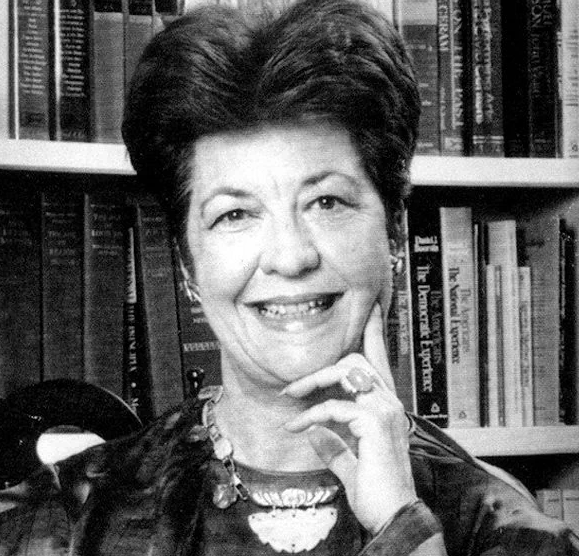
Rosalind Franklin
Chemist, X-Ray Crystallographer
Double Helix Structure | 1952
Did you know a scientific image helped reveal the structure of DNA? Rosalind Franklin’s X-ray research provided important evidence about DNA’s famous double-helix shape.
Rosalind was a British chemist and X-ray crystallographer whose work helped scientists understand DNA. She died in 1958, four years before Francis Crick, James Watson and Maurice Wilkins received the Nobel Prize for their work on DNA. Her contribution gained wider recognition in the years that followed.